Cancer
Critical Review of Ketogenic Diet Throughout the Cancer Continuum for Neuroglioma: Insights from a Medical Nutrition Therapy (MNT) Perspective
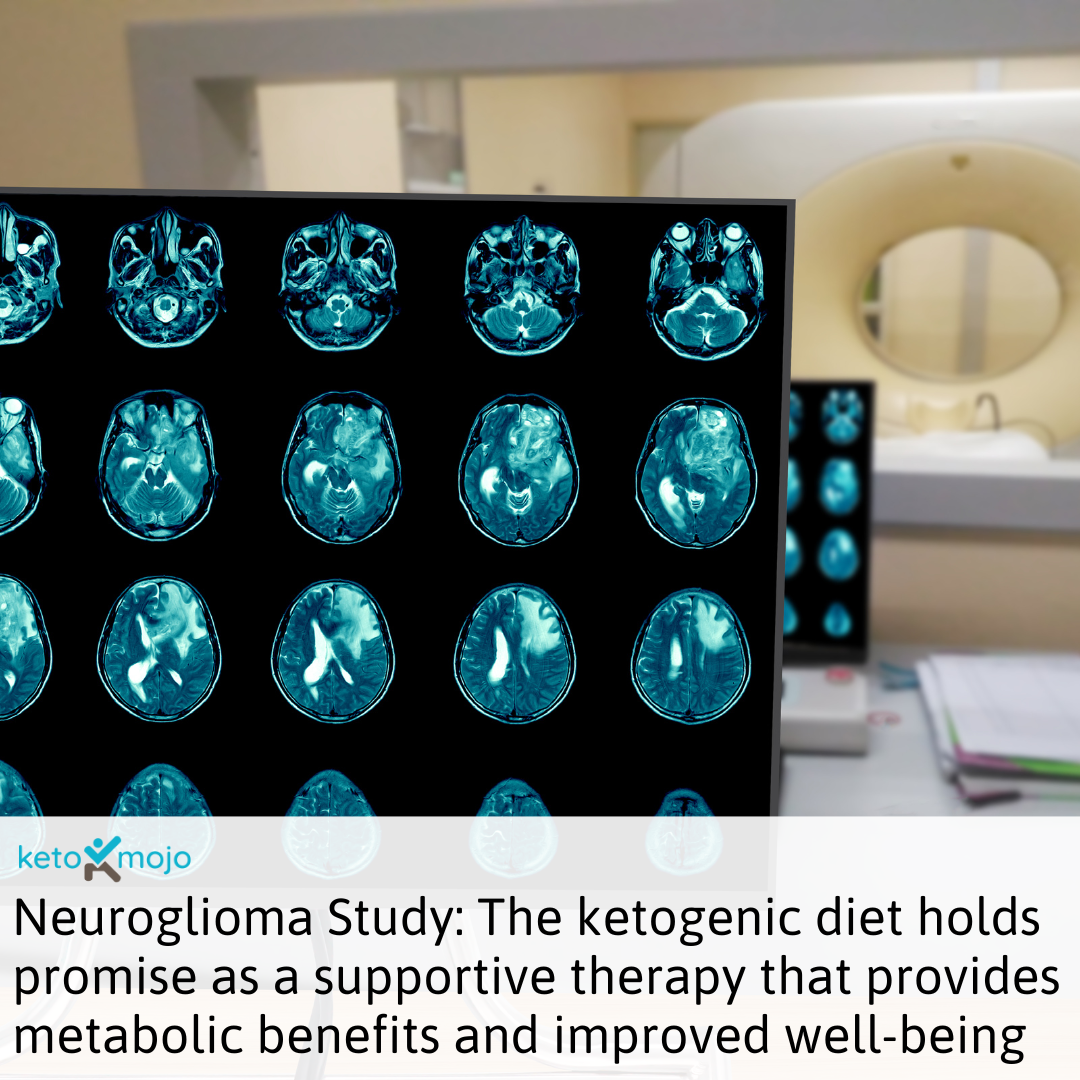
The ketogenic diet has gained attention as a potential adjunct therapy for neurogliomas, including glioblastoma and astrocytoma. These aggressive brain tumors have low survival rates, with current treatments often causing significant side effects that impact patients’ nutrition and quality of life. The ketogenic diet (KD) may help by shifting the brain’s energy source from glucose to ketones, potentially reducing tumor growth and alleviating treatment-related symptoms.
A recent review examined the KD’s role throughout the cancer continuum – from prevention to survivorship – with an emphasis on medical nutrition therapy (MNT) provided by registered dietitian nutritionists (RDNs). While research on the KD for gliomas is promising, it remains limited and inconsistent, with a lack of standardized protocols on macronutrient composition and clinical efficacy. The review also stresses the importance of RDNs in supporting patients on ketogenic therapies to ensure optimal adherence and safety.
Key findings:
- The KD induces ketosis, shifting brain metabolism from glucose to ketones, potentially reducing tumor growth.
- Several studies showed improvements in cognitive function, mood, and energy levels during treatment. However, in one randomized trial, a KD combined with intermittent fasting led to significant metabolic changes but had no effects on quality of life or cognition.
- Weight and appetite loss were common, with a 5–10% BMI reduction in some participants.
- Some participants experienced improved seizure control, while others had worsened seizure severity.
- Common side effects included gastrointestinal distress and “keto-flu” due to fluid losses and dehydration.
The review concludes that while the KD shows promise for managing neurogliomas, more research is needed to establish standardized clinical guidelines and assess long-term outcomes. The involvement of RDNs is crucial for ensuring safety and adherence to the diet.

 Source: Current Nutrition Reports