Cardiovascular Disease, Metabolic Syndrome, Obesity
Comparative Effects of Time-Restricted Eating and the Ketogenic Diet on Cardiovascular Risk in Individuals with Obesity: A Longitudinal Analysis of Metabolic, Anthropometric, and Lifestyle Factors
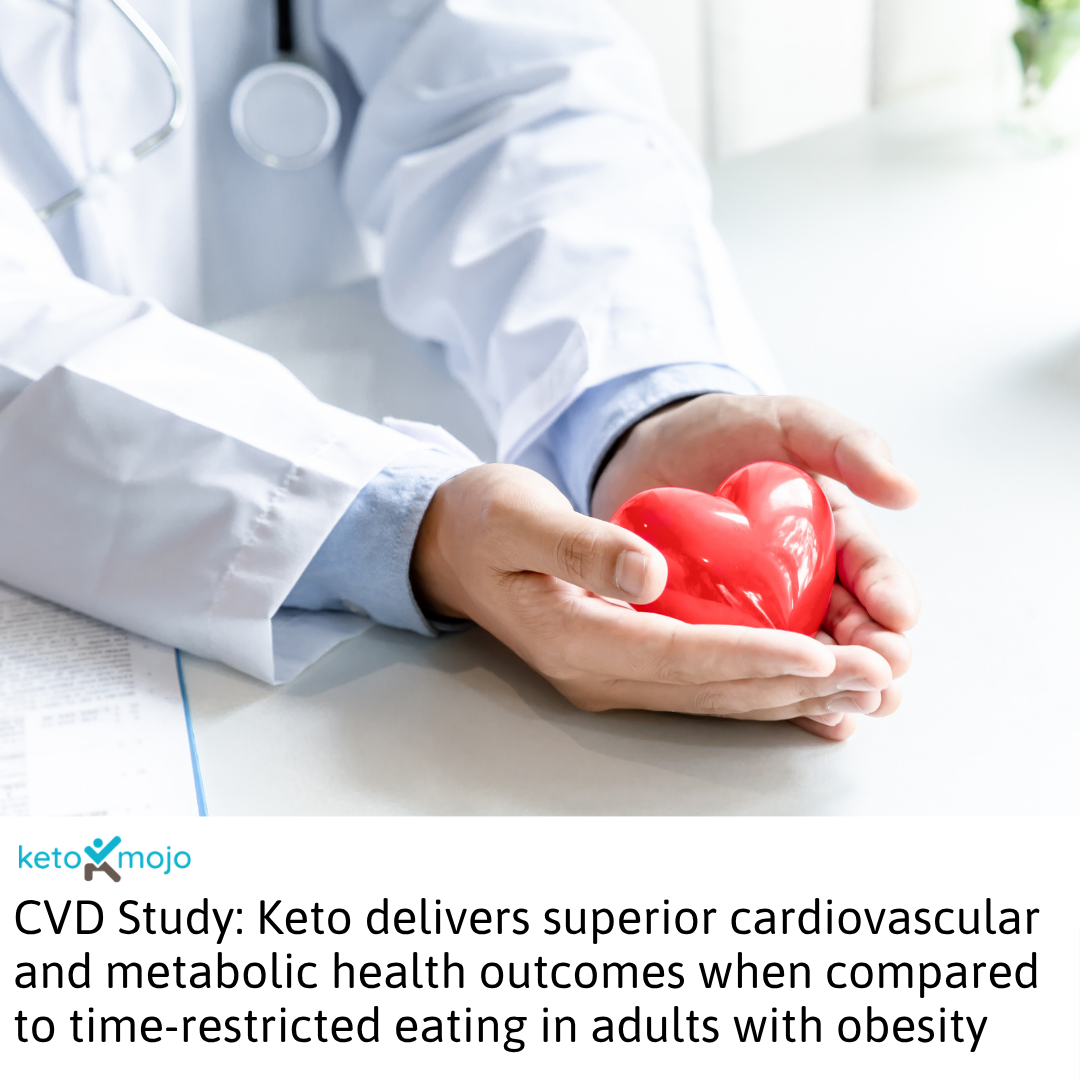
This 12-week interventional, non-randomized clinical study evaluated the comparative effectiveness of two popular dietary strategies – the modified Ketogenic Diet (KD) and Time-Restricted Eating (TRE) – on metabolic health and cardiovascular risk in individuals with obesity. A total of 49 adults seeking nutritional guidance were assigned to either the KD (n = 23) or TRE (n = 26) group and were followed under professional supervision. The primary endpoint was the change in cardiovascular risk as assessed by the QRISK3 score, a validated 10-year cardiovascular disease risk estimator.
Participants in both groups showed significant improvements in weight, waist circumference, and QRISK3 scores. However, the KD group achieved more pronounced benefits across several cardiometabolic markers. Both interventions were well tolerated, with no adverse events reported.
Key Results / Findings:
QRISK3 score:
- KD group: Median reduction of 38.98%
- TRE group: Median reduction of 2.16%
Body Mass Index (BMI):
- KD: –12.71%
- TRE: –4.06%
Waist circumference:
- KD: –11.43%
- TRE: –1.73%
HDL-C (good cholesterol):
- KD: +12.73%
- TRE: –2.07%
Systolic Blood Pressure:
- KD: –8.97%
- TRE: –1.42%
HbA1c:
- KD: –8.33%
- TRE: –1.58%
Both the ketogenic diet and time-restricted eating improved markers of metabolic health and cardiovascular risk in individuals with obesity. However, the ketogenic diet produced greater short-term improvements across most variables. These results suggest a potential clinical advantage of the KD, particularly in individuals at higher cardiometabolic risk, though long-term efficacy and safety remain to be confirmed in larger, randomized trials.
 Source: Nutrients