Diabetes
Five-Year outcomes of a digitally delivered carbohydrate-reduced nutrition intervention for prediabetes: durability of diabetes prevention
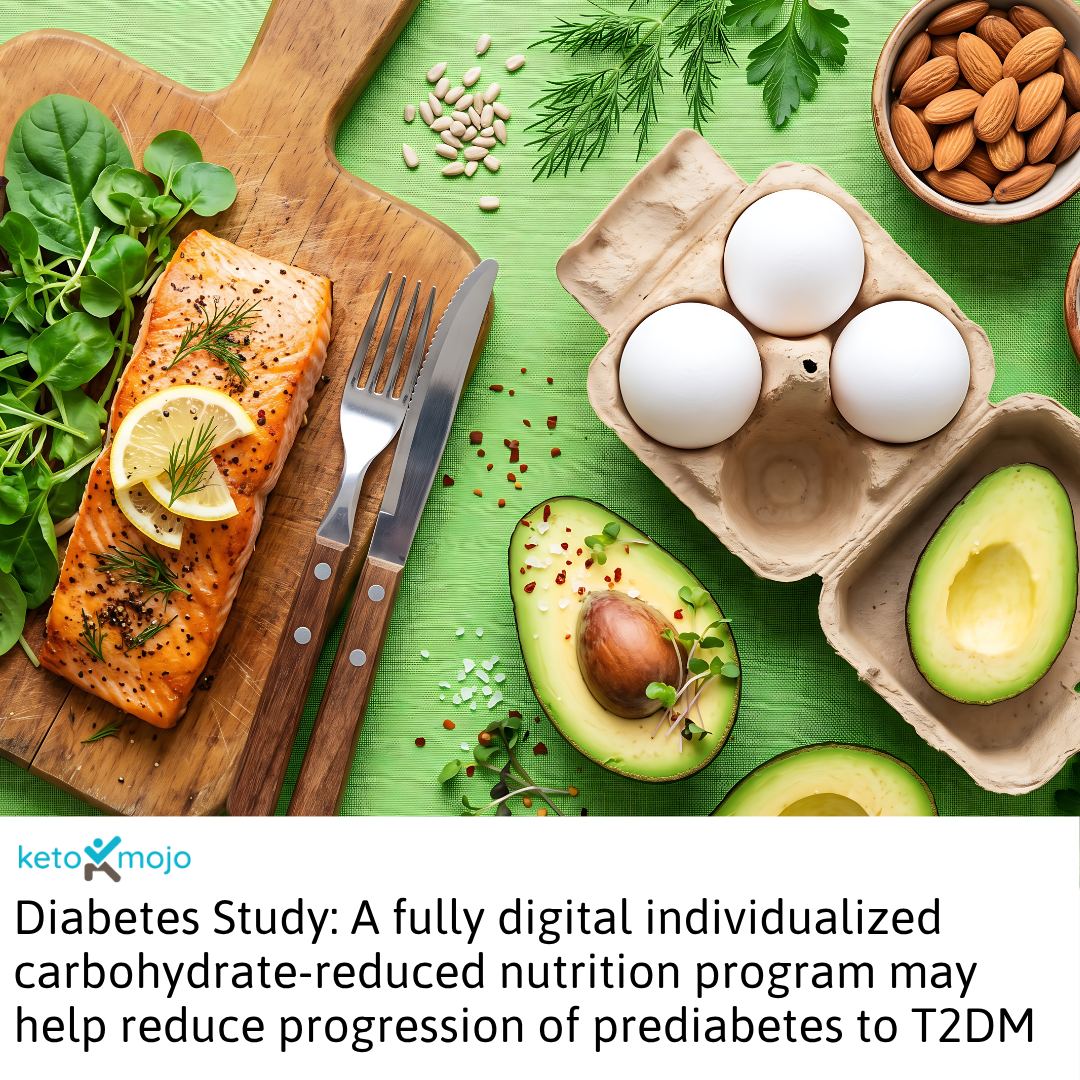
Prediabetes affects hundreds of millions of people worldwide and substantially increases the risk of developing type 2 diabetes (T2D), cardiovascular disease, chronic kidney disease, and premature mortality. Although lifestyle interventions can delay diabetes onset, long-term maintenance of weight loss and metabolic improvements has been challenging.
This prospective, single-arm extension study evaluated the five-year outcomes of a digitally delivered continuous remote care intervention (CCI) combining individualized carbohydrate-reduced nutrition therapy with ongoing support from a healthcare team. Of the 96 adults with prediabetes initially enrolled, 58 entered the three-year extension after completing the original two-year study, and 45 completed the full five-year follow-up. Participants used a mobile application to record blood glucose, β-hydroxybutyrate (BHB), and body weight while receiving individualized coaching and medical supervision. The dietary intervention initially targeted nutritional ketosis (BHB ≥0.5 mmol/L) through a very low-carbohydrate eating pattern.
Key Findings
- Glycemic status: After five years, 22% of participants achieved normoglycemia, 66% remained in the prediabetes range, and 13% progressed to T2D. Across the study period, the cumulative incidence of regression to normoglycemia was 55.6%, while only 12.2% progressed to T2D.
- Body weight: Participants maintained a mean loss of 12.8 lbs (5.8 kg), representing 5.3% of their body weight, after five years. Overall, 47% achieved at least 5% weight loss, 29% achieved 10% or greater, and 13% achieved 15% or greater weight loss. The proportion of participants with severe obesity also declined over the study period.
- Insulin resistance: Fasting insulin and HOMA-IR improved substantially during the first two years and remained below baseline at five years, suggesting sustained improvements in insulin sensitivity despite HbA1c and fasting glucose returning to values comparable with baseline.
- Cardiometabolic health: Triglycerides, HDL-cholesterol, LDL-cholesterol, non-HDL cholesterol, and high-sensitivity C-reactive protein generally remained at or below baseline levels over five years, although these differences were no longer statistically significant after adjustment for multiple comparisons. White blood cell count remained significantly lower than baseline.
- Safety: Liver and kidney function remained stable throughout the intervention, with no clinically meaningful deterioration in hepatic or renal biomarkers over five years.
- Adherence: Mean blood BHB concentrations averaged approximately 0.4–0.6 mmol/L throughout the study, suggesting sustained, although variable, adherence to the carbohydrate-reduced nutrition intervention.
Conclusion
The authors conclude that a digitally delivered continuous remote care model featuring individualized carbohydrate-reduced nutrition therapy may support long-term diabetes prevention in adults with prediabetes. Although average HbA1c and fasting glucose returned to baseline values by five years, many participants achieved normoglycemia, relatively few progressed to T2D, and improvements in weight, insulin resistance, and several cardiometabolic risk markers were maintained. The authors note that the single-arm design, modest sample size, and limited demographic diversity warrant confirmation of these findings in larger randomized and comparative studies.
 Source: Frontiers in Nutrition