 Franziska Spritzler, RD, CDE
For years, dietary fat was blamed for weight gain and heart disease, leading to the popularity of low-fat diets and fat-free foods. However, more recently, higher-fat diets — especially ketogenic and very low-carb approaches — have received attention and praise for their potential metabolic benefits, including weight loss.(1) Yet questions about the relationship between dietary fat and body fat remain.
Can eating lots of fat as part of a ketogenic lifestyle interfere with weight loss or even lead to fat gain?
The answer depends on context.
What Does “High Fat” Mean?
When following a well-formulated ketogenic diet for metabolic health, fat typically provides 60–80% of daily calories, protein 15–30%, and carbohydrates less than 10%.(2) This macronutrient shift encourages the body to enter nutritional ketosis, where fat is used as the primary fuel source instead of glucose.
This approach is very different from simply adding large amounts of fat to a diet that’s high in carbohydrates, where glucose is the body’s main source of fuel.
Metabolic Benefits of High-Fat, Ketogenic Diets
Ketogenic diets have been shown to lower blood glucose levels, increase insulin sensitivity, and reduce insulin levels in people with metabolic diseases like type 2 diabetes.(1, 3) By improving insulin regulation, ketogenic diets create a hormonal environment that increases fat burning and supports loss of body fat even with a high dietary fat intake, as long as total energy (calorie) intake aligns with the body’s needs.(3, 4, 5, 6)
Calories Still Matter
Fat is the most calorie-dense macronutrient, providing 9 calories per gram, compared to 4 grams for carbs and protein. So, eating more calories from fat than your body needs could slow down weight loss or lead to weight gain over time — even on a ketogenic diet.
However, high-fat diets that achieve and sustain ketosis often reduce hunger and increase satiety.(7) When carbohydrate intake is minimized, appetite is naturally suppressed, which may lead to a spontaneous decrease in overall calorie consumption.(6, 8) In other words, while fat intake is encouraged as part of a ketogenic lifestyle, most people don’t overeat it because they feel full and satisfied.
Additionally, the goal of a ketogenic diet is not to consume unlimited amounts of fat but to provide enough dietary fat to support satiety while allowing your body to draw on its own stored fat for fuel.
Food Quality and Protein Intake Also Matter
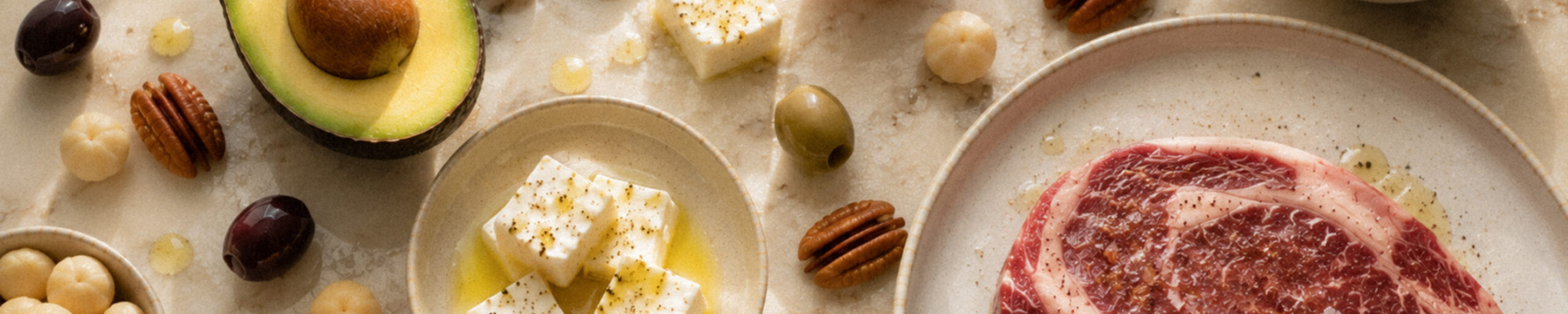
Healthy fats from avocados, high-fat dairy foods, olive oil, nuts, seeds, fatty fish, and fatty meats can support weight loss and help sustain keto long term. By contrast, a high-fat ketogenic diet that includes large amounts of ultra-processed foods, “keto” treats, or frequent overeating can potentially lead to weight gain or prevent weight loss. Additionally, getting adequate protein on a ketogenic diet is essential for overall health and especially important for preserving muscle mass while losing weight.(9) Experts in the field of protein and ketogenic diets recommend a daily intake of 1.2 to 2 grams of protein per kilogram of body weight.(9) So although fat will always be your main energy source on keto, make sure not to skimp on protein. The My Mojo Macros Calculator can help you determine your daily protein and fat targets based on your specific health goals.
The Bottom Line
When aligned with energy needs, eating high fat as part of a well-formulated ketogenic lifestyle doesn’t hinder weight loss. In fact, for many people, it can help curb appetite, promote fat loss, and improve metabolic health.
REFERENCES
- Ketogenic Diet Benefits to Weight Loss, Glycemic Control, and Lipid Profiles in Overweight Patients with Type 2 Diabetes Mellitus: A Meta-Analysis of Randomized Controlled Trials, International Journal of Environmental Research and Public Health, 2022
- Ketogenic Diets for Body Weight Loss: A Comparison with Other Diets, Nutrients, 2025
- Long-Term Effects of a Novel Continuous Remote Care Intervention Including Nutritional Ketosis for the Management of Type 2 Diabetes: A 2-Year Non-randomized Clinical Trial, Frontiers in Endocrinology, 2019
- The Effects of Ketogenic Diet on Insulin Sensitivity and Weight Loss, Which Came First: The Chicken or the Egg? Nutrients, 2023
- Effects of weight loss during a very low carbohydrate diet on specific adipose tissue depots and insulin sensitivity in older adults with obesity: a randomized clinical trial, Nutrition and Metabolism, 2020
- Effect of a low-carbohydrate diet on appetite, blood glucose levels, and insulin resistance in obese patients with type 2 diabetes, Obesity Reviews, 2005
- Do ketogenic diets really suppress appetite? A systematic review and meta-analysis, Obesity Reviews 2015
- Low-carbohydrate nutrition and metabolism, The American Journal of Clinical Nutrition, 2007
- Nutritional Considerations During Major Weight Loss Therapy: Focus on Optimal Protein and a Low-Carbohydrate Dietary Pattern, Current Nutrition Reports, 2024