General Health, Metabolic Syndrome
Ketosis Suppression and Ageing (KetoSAge): The Effect of Suppressing Ketosis on GKI and Liver Biomarkers in Healthy Females
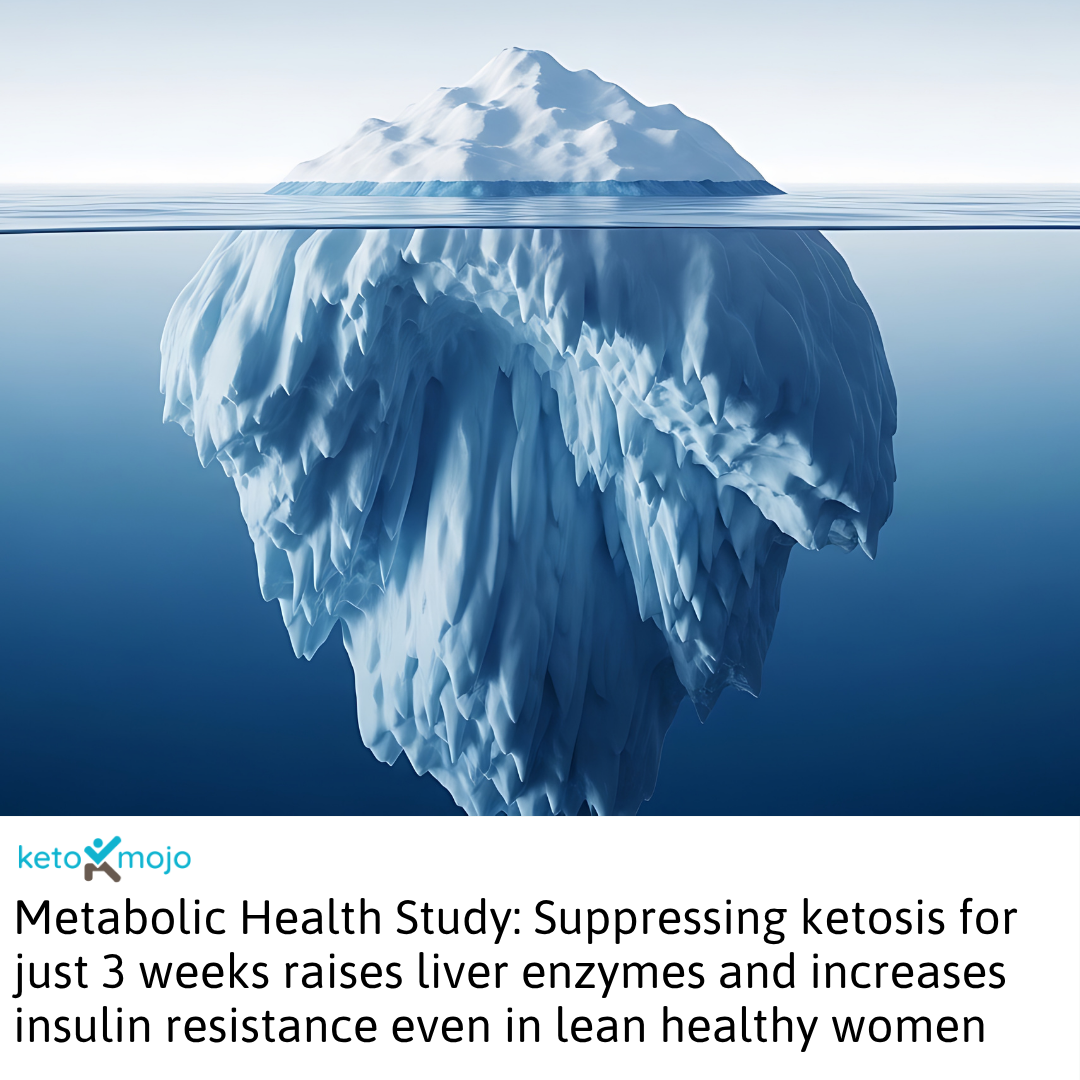
A non-randomized cross-over trial examined the effects of short-term ketosis suppression on liver biomarkers and metabolic parameters in ten healthy, lean, premenopausal women who had followed a ketogenic diet for an average of 3.9 years.
Participants progressed through three study phases:
- Phase 1 (P1): Baseline nutritional ketosis (NK)
- Phase 2 (P2): Suppression of ketosis with a high-carbohydrate diet (~267 g/day) for 21 days
- Phase 3 (P3): Return to nutritional ketosis for 21 days
Fasting blood samples and daily glucose ketone index (GKI) readings were collected after each phase. Outcomes focused on insulin resistance (HOMA-IR, insulin, and GKI) and liver biomarkers (ALT, AST, GGT, ALP, and ALT/AST ratio).
Key Results
During ketosis suppression (P2 vs. P1):
- Insulin resistance increased
-
-
- HOMA-IR rose 2.13-fold
- Fasting insulin increased 1.83-fold
-
- GKI increased sharply
-
-
- Lab Day GKI rose 22.3-fold
- 21-Day Average GKI rose 20-fold
-
- Liver biomarkers increased
-
-
- ALT increased 1.85-fold
- GGT increased 1.29-fold
- ALT/AST ratio increased 1.30-fold
- AST and ALP also increased, although not all changes reached statistical significance
- Liver markers were positively correlated with insulin, HOMA-IR, and GKI
-
After return to ketosis (P3 vs. P2):
- All elevated markers (ALT, GGT, ALT/AST, HOMA-IR, GKI) returned to baseline
- ALP showed a downward trend but remained slightly above baseline
Conclusion
Short-term suppression of ketosis through increased carbohydrate intake led to measurable increases in insulin resistance and liver enzyme levels in lean, healthy women. These changes reversed with the resumption of a ketogenic diet. ALT, GGT, and the ALT/AST ratio appear to be sensitive markers of early metabolic stress, even in lean individuals. Maintaining ketosis supports more favorable liver and metabolic biomarker profiles.
 Source: Livers