Diabetes, Endocrine, General Health, Kidney Disease
Effects of a Continuous Remote Care Intervention Including Nutritional Ketosis on Kidney Function and Inflammation in Adults with Type 2 Diabetes: A Post-Hoc Latent Class Trajectory Analysis
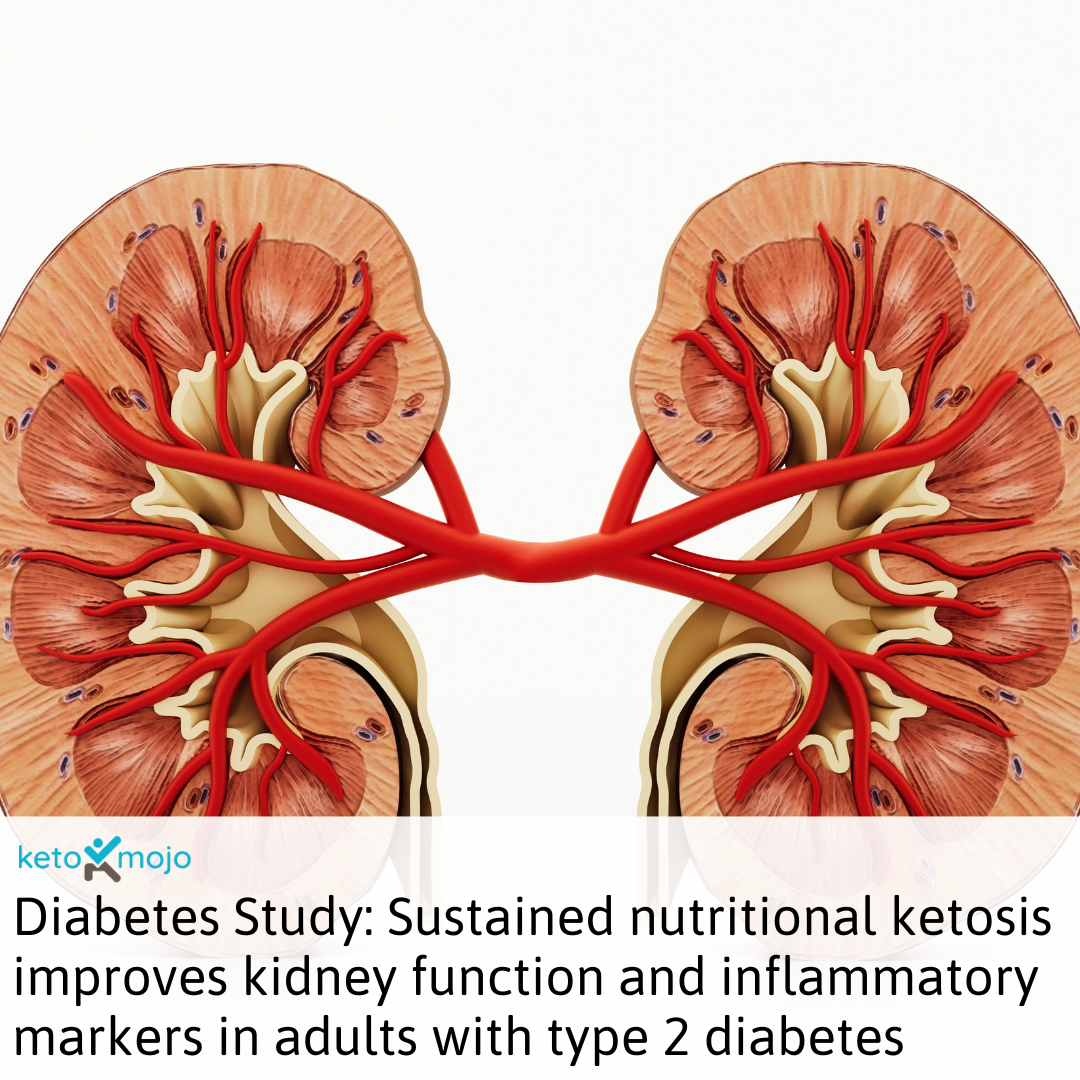
Chronic kidney disease (CKD), particularly diabetic nephropathy, is a common and serious complication of type 2 diabetes (T2D). Reducing the decline in estimated glomerular filtration rate (eGFR) can lower the risk of end-stage kidney disease (ESKD). While SGLT2 inhibitors have demonstrated renal benefits, some evidence suggests these effects may be partly mediated by low-grade ketosis.
This study assessed whether a continuous remote care intervention (CCI) incorporating nutritional ketosis through a very-low-carbohydrate diet could improve kidney function and reduce systemic inflammation in adults with T2D. Outcomes were compared to those receiving usual care (UC) over two years.
Key findings:
Kidney Function (eGFR Slope):
- CCI participants had a positive eGFR slope of +0.91 mL/min/1.73m²/year, while UC participants had a decline of −0.68.
- Among those with baseline eGFR <90, the slope difference was more pronounced: +3.04 (CCI) vs. +1.05 (UC).
- Higher mean blood beta-hydroxybutyrate (BHB) levels over 12 months were independently associated with greater eGFR improvement , even after adjusting for medications, demographics, and weight loss.
- A dose–response was observed across four latent ketosis classes, with the sustained ketosis group having the greatest improvement (+6.28 in baseline eGFR <90 subgroup).
CKD Stage Transitions (eGFR <60 at Baseline):
- Of 23 CCI participants with stage 3 CKD at baseline:
- 53% improved to stage 2
- 40% remained stable
- 0% progressed to more severe stages
- In the UC group:
- 17% improved
- 67% remained in stage 3
- 17% worsened to stage 4
Inflammatory Markers:
- hsCRP decreased at 2 years by:
- −57.5% in sustained ketosis
- −32.0% in moderate ketosis
- −40.7% in low ketosis
- −28.0% in unsustained ketosis
White blood cell (WBC) count and neutrophil-to-lymphocyte ratio (NLR) also improved significantly, especially in higher adherence classes.
Safety Profile:
- Blood urea nitrogen (BUN) levels remained stable and within normal range across all ketosis classes and in the UC group, suggesting the intervention did not induce renal stress from protein intake.
This analysis suggests that nutritional ketosis, sustained through a low-carbohydrate dietary intervention combined with continuous remote support, may improve kidney function and reduce inflammation in adults with T2D. The effects were dose-dependent and most notable in participants with initially reduced kidney function. These findings support the need for randomized controlled trials to further evaluate ketogenic dietary strategies as adjunctive or alternative approaches to pharmacotherapy in CKD management.
 Source: Frontiers in nutrition