
 Mark Cucuzzella, MD
Most of my patients think low‑carb eating is complicated, expensive, and requires apps, coaches, macros, or specialty foods. It doesn’t. In our rural VA clinic, we saw meaningful drops in A1c, weight, and medication burden using nothing more than a 10–15‑minute conversation during routine primary care visits. With a simple script and handout, you can do this too – without blowing up your schedule. I am seeing this now in a rural clinic in Northern Maine.
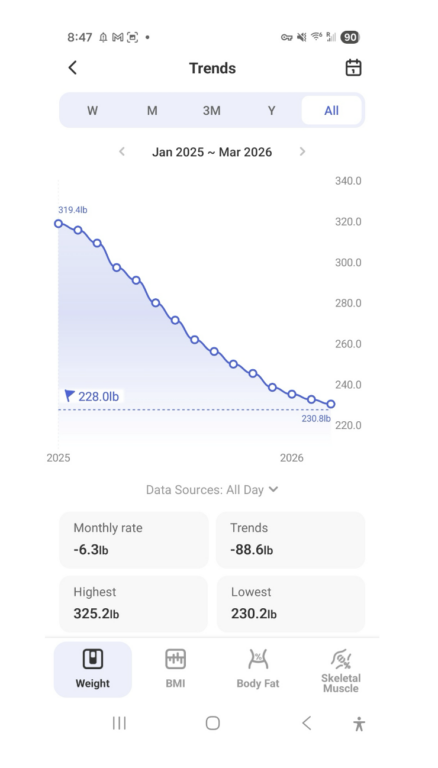
Here is the result from a VA patient who sent this to me one year into his dietary change after a short clinic visit and empowering him to make change. You too can do this with a simple plan.
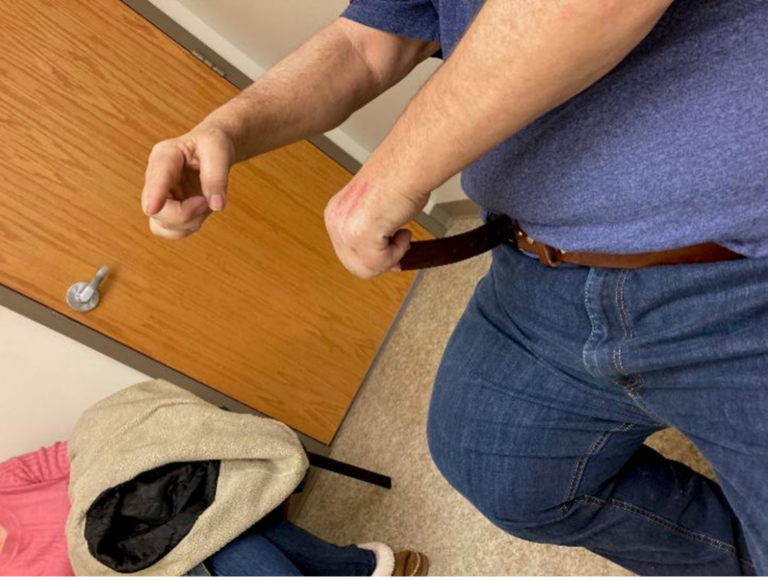
And this is a Northern Maine patient 6 months into change. He needed to order 72-inch belts from an Amish saddle supplier – now 60 inches (available at Walmart). His A1c went from 10% to 6.5%, and he’s 80 pounds down. He, like many who take ownership of their health, now have HOPE.
Steps for Keeping Low-Carb Simple
1. Start with one clear message
In the visit, I frame low‑carb as: “eat real food, mostly protein, and cut sugar and starch.”
My core talking points:
- Your weight and blood sugar are largely driven by insulin, and insulin is driven by sugar and starch (bread, pasta, rice, sweets, juice, soda, most snacks).
- You don’t have to count calories or be perfect; just lower the carbs and let your appetite guide portions. (Protein and non-starchy veg controls hunger and satiety.)
- Focus on foods with one ingredient: eggs, meat, fish, cheese, yogurt, low‑carb vegetables, butter or olive oil.
In our audit of 481 veterans, this kind of informal low‑carb education, delivered in routine visits, was associated with about 10 pounds of weight loss, on average, a meaningful drop in A1c (≈0.4% in those with prediabetes or diabetes), and significant de‑prescribing of diabetes medications over roughly 10 months. (Paper is in peer review now.)
2. Use a “$10‑a‑day (or less)” food list
To remove the “I can’t afford it” barrier, I emphasize what patients can buy at Walmart, Aldi, or dollar stores.
Budget low‑carb staples I recommend:
- Protein anchors: eggs; canned tuna or chicken; ground beef (80/20); frozen chicken thighs; store‑brand cheese; full‑fat Greek yogurt.
- Low‑carb veggies: frozen broccoli, cauliflower, green beans, mixed non‑starchy veg; fresh cabbage, carrots, onions when on sale.
- Fats and fillers: butter, olive oil, mayonnaise, peanut butter (no added sugar), store‑brand salad dressings with low sugar.
- Cheap “almost carnivore” meals:
-
- Eggs cooked in butter, with cheese.
- Ground beef patty with frozen veg and butter.
- Canned fish with mayo and a side of frozen veg.
-
Dr. Ken Berry and I went through many of these examples in a YouTube discussion on keto/carnivore on a budget, focusing on discount stores and simple, repeatable meals. Our free “Low‑Carb for Any Budget” booklet organizes foods into green/yellow/red lists and uses only ingredients you can find at dollar or rural stores.
YouTube discussion: Keto/Carnivore on a BUDGET with Dr. Mark Cucuzzella
One line I use in clinic: “You don’t need health‑food stores; you just need eggs, burger meat, and frozen vegetables.”
3. Keep the in‑visit workflow to 10 minutes
Here’s the rough structure I follow in a standard 15‑minute visit:
-
Identify the problem (1–2 minutes)
- “Your A1c is X and your weight is Y. Both are driven by high insulin”
Explain low‑carb in one minute
- “If we lower sugar and starch, your insulin comes down, and your body can start burning its own fat again.”
- Give three “do this instead of that” swaps (3–4 minutes)
-
-
Cereal, toast, juice → eggs and sausage, cheese, or leftover meat.
-
Sandwiches, chips → meat and cheese roll‑ups, tuna with mayo and a side of frozen veg.
-
Pasta, rice, bread → double the meat and veg, skip the starch.
-
-
Address cost in one minute
-
“Base your meals on the cheapest proteins: eggs, burger, chicken thighs, canned tuna. Buy frozen veg. Drink water, coffee, or tea instead of soda or juice.”
-
-
Adjust meds and arrange follow‑up (3–4 minutes)*
-
If they’re on insulin or sulfonylureas, I proactively lower doses and schedule close follow‑up because glycemia often improves quickly with lower carbs.
-
I tell them what to watch for: hypoglycemia symptoms, lower blood pressure, less hunger.
-
*Our article explains the process: Adapting Medication for Type 2 Diabetes to a Low Carbohydrate Diet – Frontiers in Nutrition, 2021
In our audit, this non‑prescriptive, brief approach – no meal plans, no dietitian referrals – still produced statistically significant improvements in weight, A1c, triglycerides, HDL, and triglyceride/HDL ratio, and allowed many veterans to reduce or stop insulin and other diabetes medications.
4. Send them home with one page and one assignment
Patients leave with:
- A one‑page “green/yellow/red” food list emphasizing low‑cost items (adapted from our free Low‑Carb for Any Budget resource).
- A simple rule: “Pick 2–3 cheap proteins and 2–3 cheap vegetables you actually like. Eat those on repeat for the next month.”
- One clear assignment: “Tomorrow, swap your highest‑carb meal for a low‑carb version. Just start with that.”
I reassure them: “If all you do is cut sugary drinks and obvious starch, you will probably see your numbers move.”
5. Talk like a coach, not a nutrition cop
For veterans dealing with PTSD, depression, chronic pain, and financial stress, perfectionism kills adherence. My language is:
- “Progress over perfection. Learn. Enjoy.”
- “If you fall off, your next meal is a chance to reset.”
- “You’re not ‘on a diet’; you’re learning which foods actually work for your body.”
- “And for fun and extra credit go get some outdoor movement!”
For more on Metabolic Health please visit Coalition for Metabolic Health.
Here are some of the articles I wrote for the site.