 Martha Tettenborn, RD, PCH
Food plays a lot of different roles in our life. Besides being fuel and a source of essential nutrients, it also provides us with intense pleasure or intense aversions, cultural connections and touchstones, or family memories. Providing food can be an important love language between individuals and within families. It can contribute to a sense of identity with your community, your nationality, or your self-identified tribe.
Think back to your childhood. What food or eating experience gives you a warm glow around your heart when you remember it? What food can you clearly associate with a particular person? What food can you remember being an important part of a given holiday or occasion? Something that was so essential to the experience that it wouldn’t be the same if it wasn’t there.
Now think about that food and let your mind expand to include the aromas, the setting that you’re in, the people that you’re there with, and how you’re feeling. Hopefully this gives you a warm glow in your very being.
For me, as a child of the ‘60s, I can be transported back to my mother’s kitchen when I smell meatloaf and baked potatoes in the oven. This was a common meal in my household as it could be made well ahead and baked slowly through the afternoon so that it was ready to eat at 5:00 PM when my father came home. All meals in my childhood house were served at a small kitchen table with place settings, with all four of us present, and eating was always preceded by saying grace. All the warmth and joy of those early memories comes flooding back when I make my mother’s meatloaf recipe. Can you find something in your personal history that gives you a similar experience?
It’s important to remember that when we are trying to make dietary changes to improve our health outcomes, that all these other aspects of food are very important as well. Making drastic changes can often work in the short term, but if we ignore all the other important messages that food provides in our lives, staying with these dietary changes long term becomes very challenging.
Add on top of that, the incredible life disruption of a cancer diagnosis, and things get even more messed up. So many things can get in the way of a healthy appetite and healthy eating. Anxiety and fear around the diagnosis – not just for the person with cancer, but their entire family and circle of loved ones.
The cancer itself, depending on stage and location, can cause digestive issues such as nausea, constipation, diarrhea, maldigestion or malabsorption, or even an acute crisis like a bowel blockage. Head and neck cancers can interfere with chewing and swallowing. Brain cancers can impact on appetite centres. Hormonal disruptions can result in an increased appetite or a loss of appetite. Pain issues are a huge factor in desire to eat. It’s hard to enjoy life with acute or chronic pain underlying every minute of the day, but many pain medications can cause GI issues themselves.
Cancer treatments can be famously difficult to tolerate. Chemotherapy, whether oral or intravenous, is a whole-body treatment. Radiation treatment is more localized but can often result in damage or burning of nearby tissues, causing eating difficulties or pain. Not fun…
There is a large and growing body of evidence to support the use of dietary interventions to impact on the metabolism of cancer.(1) In particular, using a ketogenic diet, with or without periods of fasting, to maintain low and stable blood sugar values, low and stable insulin levels, and encouraging the presence of ketones, impacts on cancer metabolism in a variety of ways that make cancer growth more difficult and cancer treatments more effective. For more information on using ketogenic diets for cancer, you can look into the work of Miriam Kalamian and/or Dr. Tom Seyfried.
Implementing the ketogenic diet generally involves leaving behind many of the foods that we have grown up with and that play an important role in our personal food history. The diet is often based heavily on animal protein sources and vegetables, supplemented with healthy fats from animal and whole plant sources. In addition to what is encouraged, there is also a significant list of foods that are considered “bad” for keto. As the ketogenic diet has become more popular there have been different camps developing. The term “clean” keto generally refers to an exclusively whole foods approach using meat, eggs, vegetables, berries, and healthy fats. Often, dairy products are included. Fermented foods are encouraged.
Sensing an opportunity, food processors tried to create “keto” versions of ultra processed foods such as candy bars, chips, desserts, fast food, and protein powders. These foods often contain large amounts of artificial or non-nutritive sweeteners and deconstructed food ingredients, which puts them firmly in the camp of ultra-processed foods. This is sometimes referred to as “dirty” keto. There can be some disdain on the part of “clean” keto eaters towards these food items.
However, when you’re faced with poor appetite, severe anxiety, nausea from chemotherapy, or maldigestion or malabsorption problems in your digestive tract, eating “clean” whole food keto can be difficult. If the food that is going to bring you comfort is the same peanut butter toast that you used as a child or a teen, then being presented with steak and broccoli is not helpful.
This is when we get into the concept of sustainable keto. Somebody dealing with a cancer diagnosis or other chronic disease that requires metabolic intervention needs a way to make these interventions enjoyable and nourishing, both physically, emotionally and psychologically, so that they can maintain it in the long run. That’s why I encourage a sustainable approach over a clean approach.
There are ways to make keto-friendly versions of bread, crackers, muffins, soup, casseroles, all the things that look like a standard American diet but are an improved, less processed, whole-foods-based, healthy ingredients version. For example, a commercially available keto bread product, supplying plant-based protein, dietary fiber and a good amount of protein, can replace standard bread to make the above-mentioned toast. Real butter and some all-natural peanut butter or almond butter on top will make a soul-nourishing version of that childhood favorite, meeting both nutrition and emotional needs in one familiar plate.
Using a ketogenic diet to impact on cancer requires a personalized approach. Protein intake needs to be adequate but not excessive. Carbohydrates are significantly reduced and how and when you eat them will impact on the blood sugar consequences. Fat becomes the major energy source, but which fats are the best choices and how to incorporate them so that they are well tolerated varies depending on a variety of factors.
Each person’s body is individual, and each person’s cancer situation is individual. Each person’s treatment plan will be individualized. So, it makes sense that each person’s ketogenic diet approach will require individualization to be the most effective but also the most sustainable. Asking an AI program to create a personalized diet plan is not the best way to help yourself. Working with knowledgeable nutrition experts will give you a plan that you can live with, that will meet your physical, emotional, and taste need, while still creating in inhospitable metabolic environment for cancer growth.
Nutrition approaches by themselves are not a cure for cancer. But they can be an enormous positive influence on the metabolic environment within your body, laying the foundation and creating the metabolic milieu that allows cancer treatments to be more effective. As Doctor Thomas Seyfried promotes with his press/pulse theory, the well-formulated ketogenic diet forms the foundation or “press”, the consistent pressure that makes a “pulse” treatment more effective.
So, while keto purists might scoff, there is a place for comfort food substitutions in a ketogenic diet for those undergoing cancer or other difficult situations. Finding a way to incorporate foods that will give you the same taste and emotional signals as bread, crackers, pizza, creamy puddings, ice cream, or cookies will make a diet more varied, more satisfying, and therefore more sustainable.
Some simple ideas:
-
- Bread: There are lots of low carb bread products available commercially. Some are designed to use resistant starches and will contain wheat or tapioca based modified starches. Others will be based on nut flours and are generally gluten-free. Most recently, there have been recipes popping up online that use milk powder as a dry ingredient for bread and bun-like products. These are generally coming from the carnivore community and are very high in protein.
- Pasta: Besides the classic zucchini “zoodles”, pasta toppings can be put on shirataki noodles, heart of palm noodles, konjac noodles, or high protein legume-based noodles(although these will have slightly higher carbohydrate contents).
- Crackers: Crackers can be made from a fathead -style dough, from baked cheese, or from nut flour-based dough that has been rolled thin. There are commercial versions of all these options as well. For some people, the crunch of a cracker is an important sensory experience.
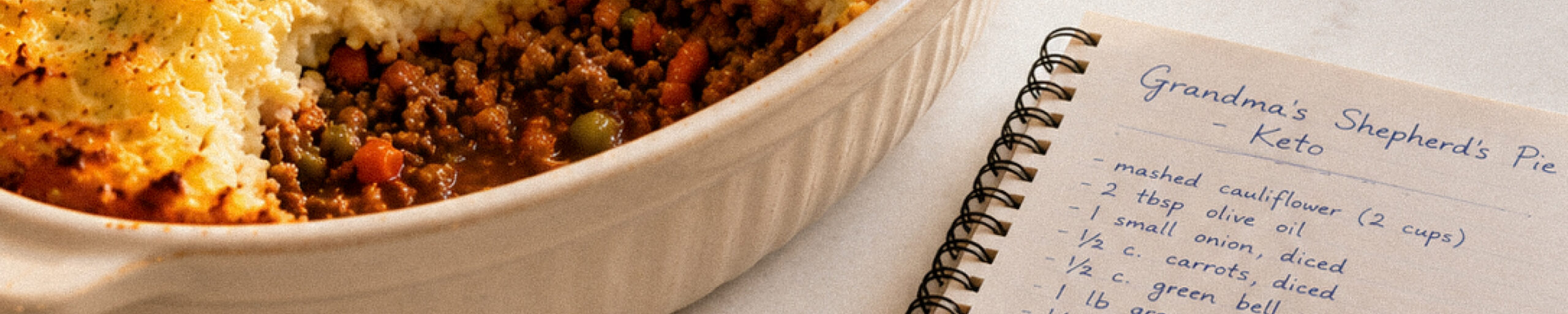
- Casseroles: Recipes abound online for keto modified versions of familiar casseroles. Whether it’s a lasagna or shepherds pie or a creamy macaroni and cheese, there will be a key to fide version.
- Rice: Try shirataki or konjac versions of rice as a base for your favorite toppings. Of course, cauliflower rice is also widely available in fresh and frozen forms these days, removing the need 2to grate your own.
- Ice cream: Try this: place about 1/4 cup of frozen berries bracket (strawberries, blueberries, blackberries, or raspberries) in a small dish and top with about 3 tablespoons of heavy cream. Don’t stir it up. The fat in the cream will solidify instantly when it hits the frozen berries and the resulting texture will be very much like ice cream. Eat with a small spoon and enjoy each bite. A small amount of a natural nonnutritive sweetener can be added to the cream or sprinkled over the berries before combining if you find you need a little more sweetness but try without first. You will be surprised by the sweetness of the berry and heavy cream combo.
Don’t be judgmental. Using the ketogenic diet to create a specific metabolic environment inside your body is a powerful strategy. But maintaining a ketogenic diet, with all of its potential restrictions, when you are going through a complex medical situation and in an intense emotional or psychological situation, can be really difficult. Look for ways that you can nourish your body, strategically help your medical situation, but also nurture and support the non-nutritional benefits of the food that you eat.
Remember that you are not only feeding your body. You are feeding your brain and your heart and your soul. And keeping those aspects well supported is what is going to allow you to stay keto in a difficult situation.
References:
- Menyhárt et al. Dietary approaches for exploiting metabolic vulnerabilities in cancer. Biochim Biophys Acta Rev Cancer. 2024 Mar;1879(2)
This blog post reflects the opinion and/or experience of the author. It is provided for informational purposes only and should not be considered a replacement for professional medical advice, diagnosis, or treatment. If you have any questions about a health condition or concerns related to your well-being, always consult with your physician or another qualified healthcare professional.