Exercise & Sports Performance
An Investigation into the Effects of a 12-week Sleep Low Train Low Intervention on Fat Oxidation and Exercise Performance in Recreationally Endurance-Trained Women
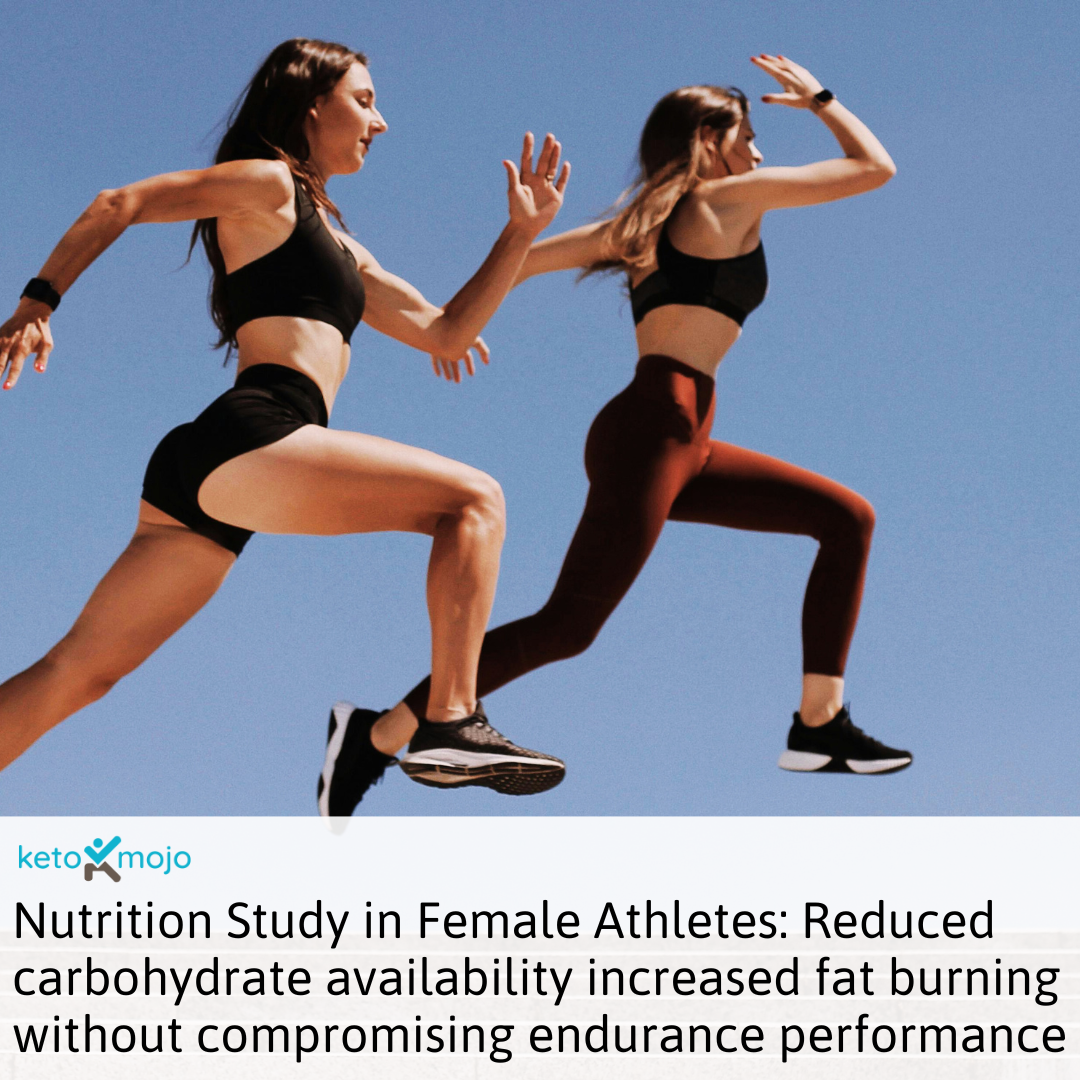
Sleep Low Train Low (SLTL) is a nutrition and training strategy designed to enhance fat metabolism by training with reduced carbohydrate availability. It involves performing high-intensity, glycogen-depleting exercise in the evening, followed by no meal or a low-carbohydrate meal (“sleeping low”), and then training fasted the next morning. This approach is thought to preserve glycogen stores while increasing fat oxidation during prolonged exercise.
Study Design:
This 12-week study investigated the effects of SLTL on fat oxidation, β-hydroxybutyrate (BHB) production, and exercise performance in 21 endurance-trained women. Menstrual cycle phase was tracked and accounted for. Participants were divided into two groups: one following an SLTL protocol (FAST group, n=12) and one consuming carbohydrates before all training sessions (FED group, n=9). Performance tests included VO₂ max, a 20-minute functional threshold power test, and a 90-minute endurance cycling test.
Key Findings:
- Increased fat oxidation: The FAST group showed a significant increase in peak fat oxidation (PFO) (p < 0.05), while the FED group saw a non-significant decline.
- Higher ketone production: BHB production significantly increased at 90 watts in the FAST group (p < 0.05) but decreased in the FED group.
- Improved endurance performance: Both groups saw significant gains in VO₂ max and 90-minute endurance power (p < 0.05), with the FAST group also showing a significant increase in Functional Threshold Power (p < 0.05).
- Blood lactate changes: Both groups exhibited lactate adaptations, with significant reductions at different intensities.
Conclusion:
A 12-week SLTL protocol significantly enhanced fat oxidation and ketone production in endurance-trained women without compromising exercise performance. These findings support SLTL as a viable strategy for endurance athletes aiming to improve metabolic flexibility and fuel efficiency. Further research is needed to explore long-term adaptations and individual variability in response to SLTL training.
 Source: European Journal of Sports Sciences