Endocrine, Kidney Disease, Metabolic Syndrome
Real-world outcomes of managing autosomal-dominant polycystic kidney disease using a medical food as part of a nutrition and lifestyle program to improve renal and metabolic health
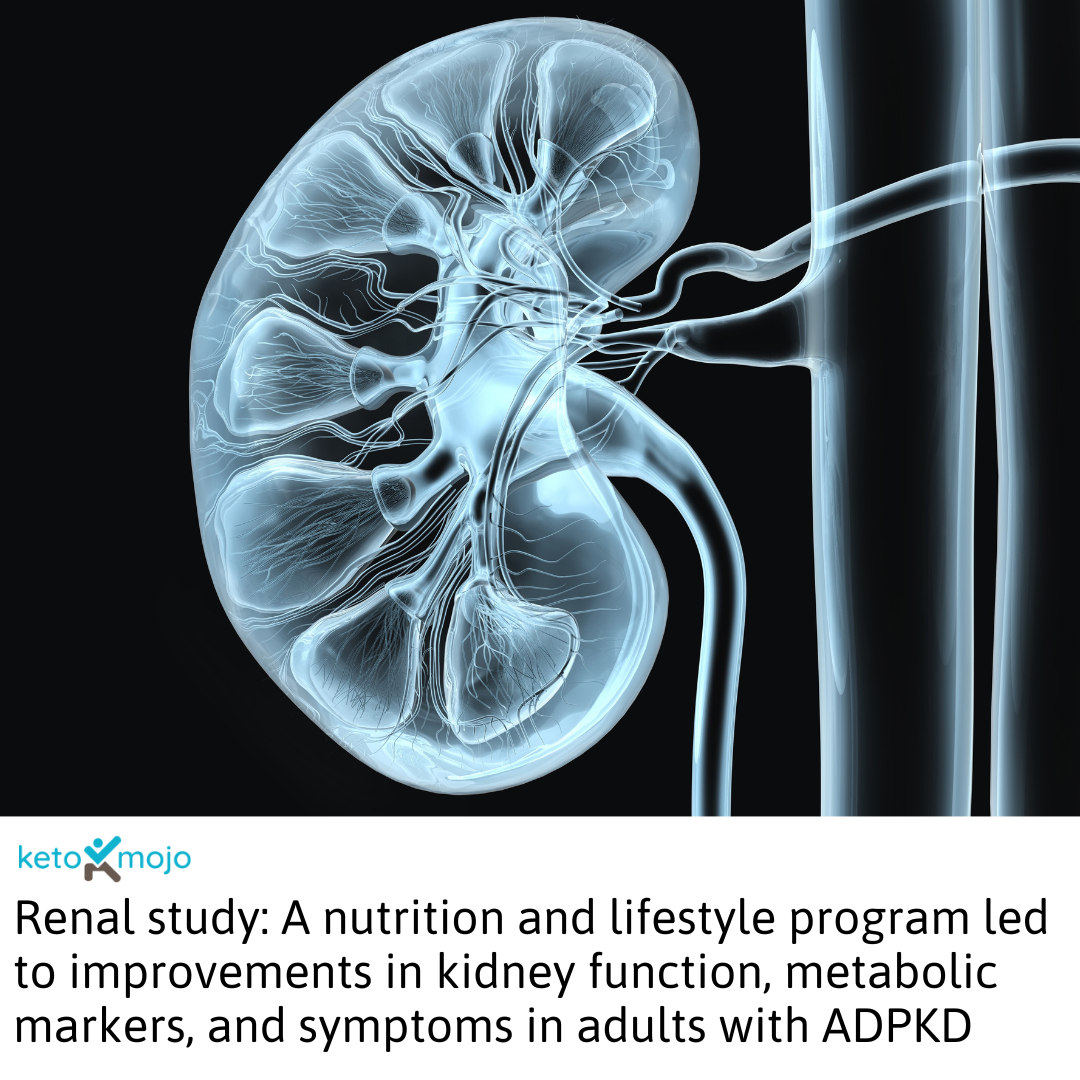
Autosomal-dominant polycystic kidney disease (ADPKD) is a genetic condition marked by progressive cyst formation that often leads to chronic kidney disease and end-stage renal failure. With limited pharmaceutical options, emerging research has begun to explore the potential of dietary and lifestyle interventions.
This study evaluated outcomes from the Ren-Nu™ program, a 12-week virtual intervention combining dietary education, remote support from renal dietitians, and daily use of KetoCitra_®_, a medical food delivering beta-hydroxybutyrate (BHB), citrate, and essential minerals. The intervention emphasized nutritional ketosis through a very low-carb, moderate-protein, plant-focused diet, along with strategies to reduce lithogenic stress such as limiting oxalate and phosphate intake.
Data were analyzed from 103 adults with ADPKD (average age: 50 years; 69% female) who completed the program between 2021 and 2023. Most participants had CKD stage 2 or 3, and the mean baseline eGFR was 58.4 ml/min/1.73 m². Primary outcomes included renal function (eGFR), BMI, anti-hypertensive medication use, symptom burden, and safety markers.
Key Findings
Renal Function: eGFR significantly increased by 6.3%, from 58.4 to 61.6 ml/min/1.73 m².
Weight & Metabolic Health:
• BMI decreased by 4.5%, on average; many participants improved from overweight to normal weight categories.
• Participants maintained nutritional ketosis (mean BHB ~1.0 mmol/L), indicating strong adherence.
Medication Use: Among those using anti-hypertensives (n = 24), 50% reduced or discontinued use during the program.
Symptom Reduction
• 52% of participants with kidney pain reported improvement.
• 22% experienced reduced headache or dizziness.
Safety: Lipids, electrolytes, and bicarbonate remained stable. No significant adverse events were observed.
Conclusion
The Ren-Nu™ program appears feasible, safe, and effective for improving renal function, metabolic health, and symptom burden in adults with ADPKD. These promising results support further investigation into metabolic and lithogenic-targeted interventions as a disease-modifying strategy in this population.
 Source: Frontiers in Nutrition