Cancer, Endocrine, General Health, Metabolic Syndrome
Ketosis suppression and ageing (KetoSAge): the effect of suppressing ketosis on SHBG and sex hormone profiles in healthy premenopausal women, and its implications for cancer risk and therapy
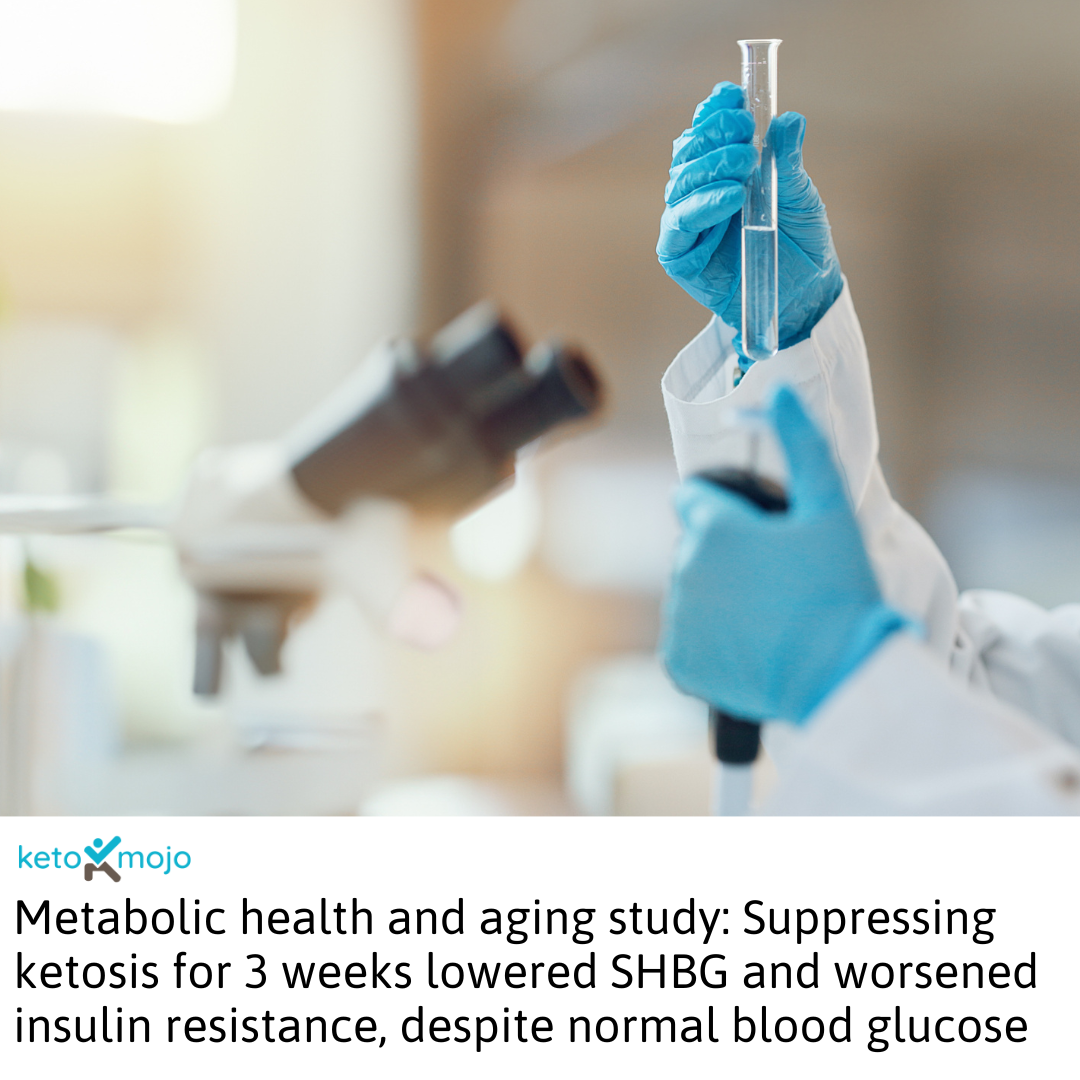
This secondary analysis of the KetoSAge study examined how short-term suppression of nutritional ketosis affects sex hormone-binding globulin (SHBG) and related metabolic markers in healthy, keto-adapted women. SHBG is a liver-derived glycoprotein that binds circulating sex hormones and is considered a sensitive marker of metabolic health and insulin sensitivity.
While fasting glucose and HbA1c are commonly used to assess glycemic control, they may fail to detect early metabolic dysfunction. In particular, the study’s authors note that insulin-compensated euglycemia (ICE) can mask underlying insulin resistance. Despite appearing metabolically healthy by conventional measures, individuals may still be exposed to the inflammatory and mitogenic effects of chronic hyperinsulinemia, which are known to increase long-term cardiometabolic and cancer risk. This highlights the importance of assessing markers like SHBG that respond more directly to changes in insulin dynamics.
The study included ten lean, premenopausal women who had followed a well-formulated ketogenic diet for an average of nearly four years. Participants completed a three-phase dietary protocol:
- P1: habitual ketogenic diet
- P2: three weeks of a ketosis-suppressing diet (KSD), designed to lower circulating ketones without altering calorie or protein intake
- P3: return to the ketogenic diet for three weeks
The KSD was isocaloric but higher in carbohydrates and lower in fat compared to the participants’ baseline diets.
Key Findings During the KSD:
- SHBG significantly decreased by 33% during ketosis suppression and returned to baseline after resuming the ketogenic diet.
- Fasting insulin increased by 83% and HOMA-IR more than doubled, indicating increased insulin resistance despite stable glucose levels.
- SHBG was significantly and inversely associated with insulin, HOMA-IR, leptin, IGF-1, and the Glucose Ketone Index (GKI).
Conclusions:
In women adapted to a long-term ketogenic diet, suppression of ketosis for just three weeks led to a significant decline in SHBG and worsened insulin sensitivity and other metabolic health markers, despite stable glucose levels. These findings suggest that ketone availability may help support a favorable hormonal and metabolic profile, and that SHBG may offer greater sensitivity than traditional glycemic markers in detecting early metabolic shifts related to insulin dynamics.
 Source: Frontiers in Nutrition