Psychiatric Disorders
A Ketogenic Diet for Treatment-Resistant Depression: A Randomized Clinical Trial
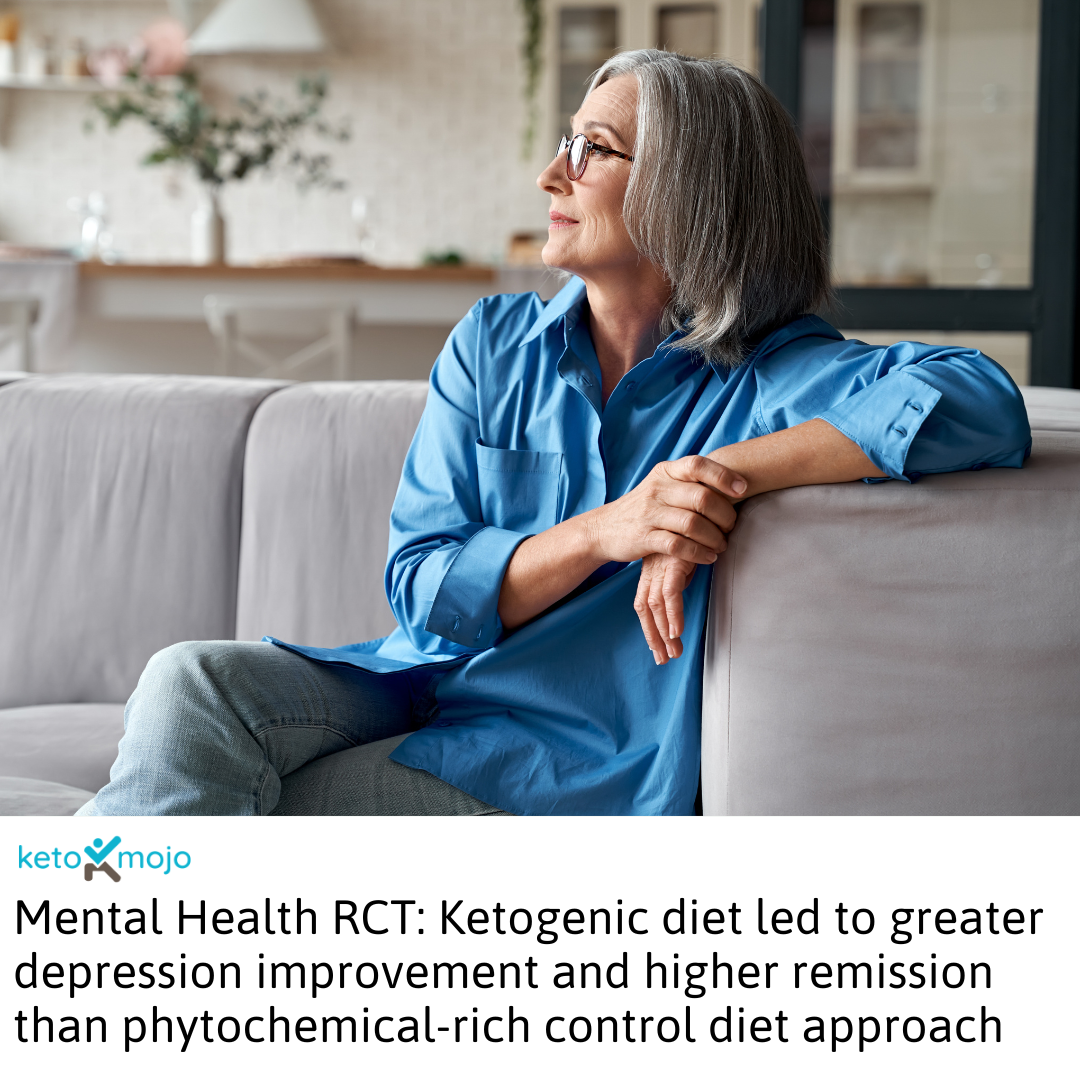
Treatment-resistant depression (TRD), defined as a lack of meaningful response to at least two adequate antidepressant treatments, remains a significant clinical challenge. Emerging evidence suggests that ketogenic diets may offer psychiatric benefits via modulation of neuroinflammation, neurotransmission, and metabolism. However, rigorous randomized controlled trials (RCTs) testing ketogenic diets in TRD have been lacking.
This single-blind RCT evaluated whether a 6-week ketogenic diet could reduce depressive symptoms in adults with TRD compared to a control phytochemical-rich diet. The trial included 88 adults (mean age 42, 69% women) from across the UK with moderate-to-severe depression (PHQ-9 score ≥15) and prior non-response to at least two antidepressants.
Participants were randomized to receive either:
• A ketogenic diet (KD) with pre-prepared meals totaling <30 grams of carbs per day, ketone monitoring, and weekly support
or
• A plant-forward, phytochemical-rich control diet (Phyto control) emphasizing fruit/vegetable variety and replacement of saturated fats with unsaturated fats, matched for contact time and support
The primary outcome was the change in PHQ-9 depression score from baseline to 6 weeks. Secondary outcomes included anxiety, anhedonia, cognitive symptoms, quality of life, and functional measures, assessed at 6 and 12 weeks.
Key Findings:
Depression Scores:
- PHQ-9 decreased more in the KD group than Phyto Control at 6 weeks (−10.5 vs. −8.3; between-group difference −2.18; p= 0.05), suggesting a modest benefit.
- At 12 weeks, this difference was no longer significant.
Remission Rates:
- At 6 weeks, 25% of KD participants vs. 9% of Phyto Control participants achieved depression remission (PHQ-9 ≤4).
- At 12 weeks, remission was maintained in 18% of KD participants vs. 9% of controls.
Anxiety:
- Anxiety scores (GAD-7) improved more in the KD group at 12 weeks (between-group difference −2.02; p = 0.04).
- Other Outcomes:
- No significant between-group differences were found in anhedonia, cognitive function, quality of life, or functional outcomes.
- Adherence to KD was high during the 6-week intervention (84% tested ketones ≥2x/week), although only 20% continued the diet at least half the time by week 12.
- No serious adverse events were reported.
Conclusion
This is the first published RCT demonstrating that a ketogenic diet may offer modest short-term antidepressant effects in adults with TRD, particularly among those with more severe symptoms. Long-term sustainability and broader clinical relevance require further research.
 Source: JAMA Psychiatry