

Intermittent fasting (IF) has gone from a niche wellness trend to one of the most talked-about approaches for weight loss and metabolic health. Many people use it to support fat loss, improve blood sugar balance, and boost overall metabolic function.
But here’s the part that often gets overlooked: just because you’re fasting doesn’t automatically mean your body is burning fat yet. It’s a little more complicated.
So how do you know when your body is actually burning fat?
What is Intermittent Fasting?
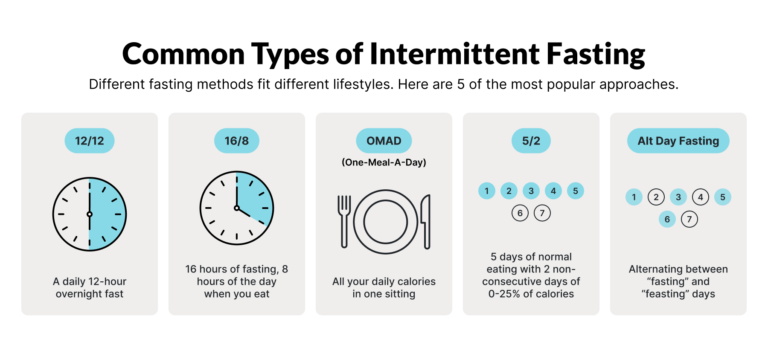
IF is an eating pattern that cycles between periods of eating and fasting. Instead of focusing on what you eat, it focuses on when you eat, giving your body extended periods without food to shift how it produces energy.
Stop Guessing Your Fast
Fasting can be a powerful tool, but without feedback, you’re still just guessing. You might be following a 16-hour fast, skipping meals, or trying OMAD, but that does not guarantee you are actually burning fat.
When you measure what is happening inside your body, everything changes:
- You know exactly when you enter fat-burning mode
- You’re able to personalize the fasting window that works for you
- Testing gives you real data to use for decision-making, not just assumptions
Instead of following a one-size-fits-all schedule, you’re able to build a strategy based on how your body actually responds.
How a Ketogenic Diet and Intermittent Fasting Can Kickstart Ketosis
The ketogenic diet and IF both encourage the body to rely less on glucose and more on fat for fuel. IF limits when you eat, while keto limits carbohydrates, which helps lower insulin and deplete glycogen stores.
Together, they may support fat loss, improved metabolic health, better blood sugar control, and higher ketone production.
Research also suggests that combining keto and IF may be useful for improving markers related to obesity, type 2 diabetes, and cardiometabolic health, although more large clinical studies are still needed.
How Does Fasting Affect Your Metabolism?
After you eat, your body is in its fed state, using glucose from food as its main energy source. As fasting continues, insulin begins to fall, and your body starts using stored glycogen for fuel.
Once glycogen becomes less available, the body increases fat oxidation, meaning it burns more stored fat. With longer fasting or lower carbohydrate intake, the liver can produce ketones, which are an alternative fuel made from fat.
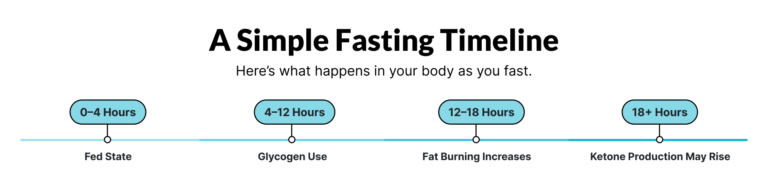
It’s important to note that these ranges can vary greatly. Your carbohydrate intake, activity level, insulin sensitivity, metabolic health, and whether you already follow a ketogenic diet can all affect how quickly you move from glucose burning to fat burning.
When Do You Actually Start Burning Fat?
A common belief is that your body starts burning fat after 12 hours of fasting. While that can be true for some people, there is no universal “fat-burning hour.”
In reality, the shift into fat burning depends on several key factors:
- Diet (carb intake): If you regularly eat a high-carbohydrate diet, your body has more glycogen stored and may take longer to switch to fat as a fuel source.
- Metabolic health: Conditions like insulin resistance can delay the transition from glucose burning to fat burning.
- Activity level: Exercise can speed up glycogen depletion, helping your body enter fat-burning mode sooner.
- Insulin sensitivity: The more efficiently your body regulates insulin, the faster it can shift between fuel sources.
This is where bioindividuality comes into play. Your body’s response to time-restricted eating is unique to you, and it does not follow a universal timeline.
So, how long should you fast for?
There isn’t a one-size-fits-all answer based on time-restricted eating alone. Your body doesn’t switch to fat-burning on a strict schedule, so simply counting hours isn’t the most reliable approach.
The best way to determine whether your fast is effective is to measure ketone levels, which provide real-time insight into whether your body has actually transitioned to burning fat.
It’s also important to listen to your body and choose a fasting routine that feels sustainable for you. If you experience symptoms such as dizziness, lightheadedness, weakness, or nausea during a fast, it may be a sign that your body needs nourishment, hydration, or a different fasting approach.
If you have a medical condition, are pregnant or breastfeeding, take medications, or have concerns about fasting, consult with a qualified healthcare professional before making significant changes to your routine.
Measuring Biomarkers
Fasting sets the stage for fat burning, but it does not tell you if or when it is actually burning fat.
What are biomarkers?
Biomarkers are measurable indicators of what is happening inside your body in real time. During fasting, the most relevant biomarkers include:
- Blood glucose: Shows how much sugar is available in your bloodstream
- Ketones: A key indicator of fat metabolism
- GKI (Glucose Ketone Index): A ratio that provides a deeper view of your metabolic state
Instead of guessing based on how long you have been fasting, biomarkers give you direct feedback. They tell you exactly what your body is doing in real –time.
Why Ketones Are the Best Indicator of Fat Burning
Ketones are produced when your body breaks down fat for energy. As your body shifts away from glucose and toward fat as its primary fuel source, ketone levels begin to rise.
This makes ketones one of the most reliable indicators that you have entered a fat-burning state.
- Low ketones typically indicate you are still relying on glucose
- Rising ketones signal that your body is increasing fat metabolism
If your goal is to optimize fasting for fat loss or metabolic health, tracking ketones provides a clear, measurable signal of progress.
How to Measure Ketones Accurately
There are several ways to measure ketones, but they are not all equally reliable.
- Blood ketone testing: The most accurate method, providing real-time insight into your metabolic state
- Breath testing: Less precise and can vary based on external factors, based on current technology (metal oxide gas sensors)
- Urine testing: Measures excess ketones, not necessarily what your body is actively using
For the most accurate and actionable data, blood testing is the gold standard.
Questions to Ask Your Doctor About Fasting and Metabolism
If you are considering IF or time-restricted eating, here are a few questions to ask your healthcare provider:
- Is fasting or time-restricted eating appropriate for me?
- Can ketone levels helpmonitor fasting safely?
- How can I tell if fasting is effective for me?