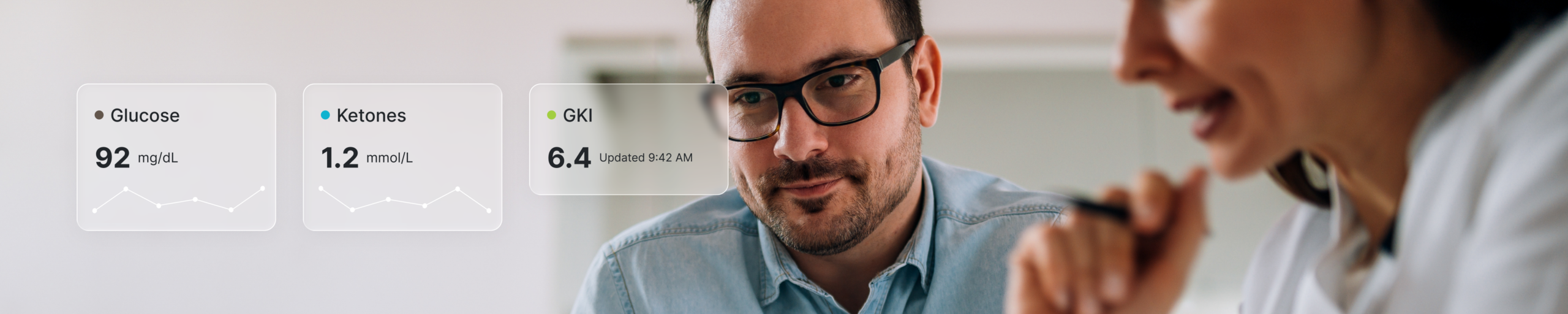
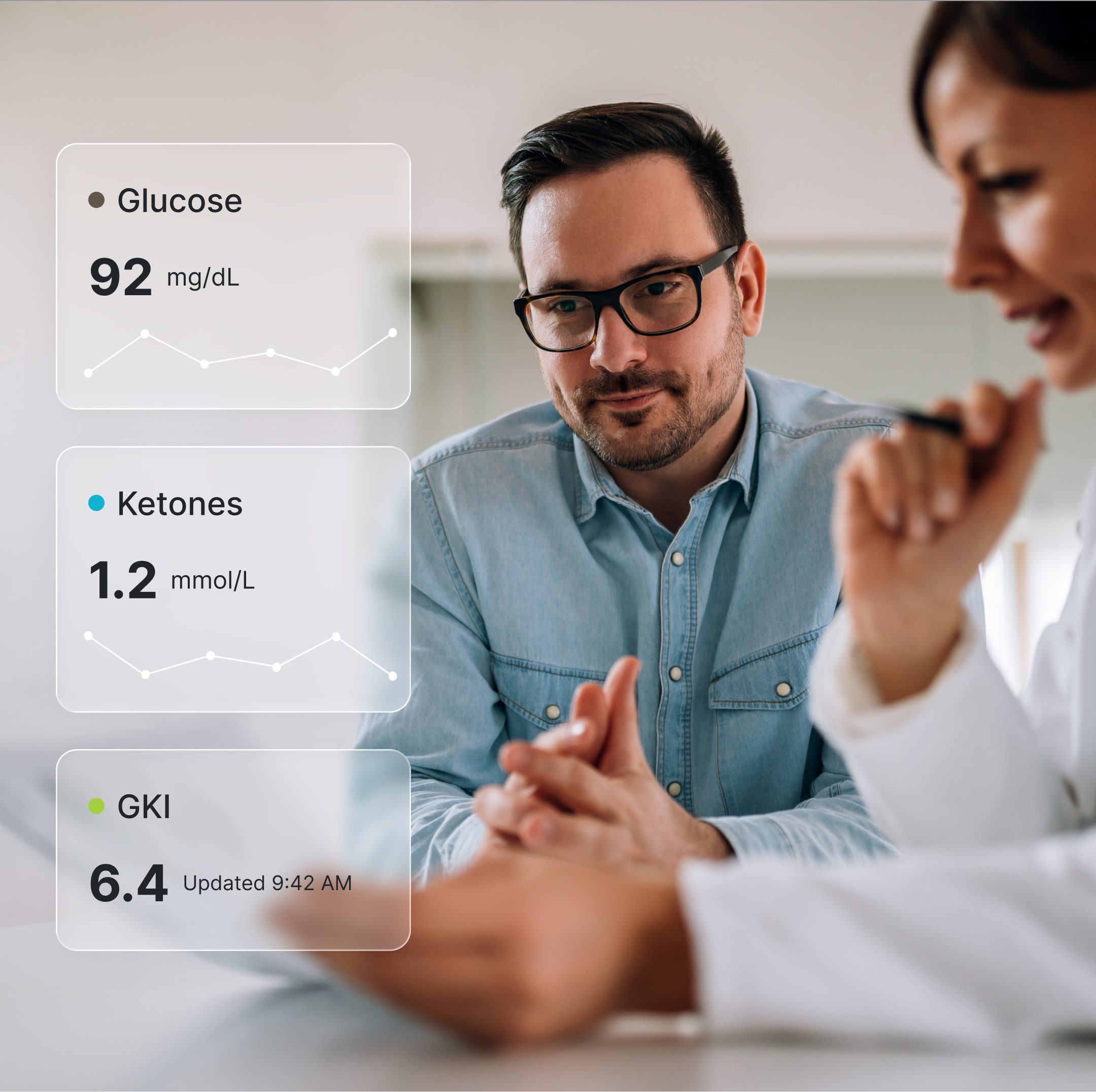
Precision medicine – sometimes referred to as personalized medicine – is transforming how healthcare is delivered.
Rather than applying the same approach to every patient, precision medicine focuses on patient-specific treatment, using data to guide decisions based on an individual’s unique physiology, lifestyle, and response to interventions.
In this context, metabolic health is an area where personalization is not only possible but increasingly expected. A recent survey of 2,000 U.S. adults who had seen a doctor within the past year found that about two-thirds believe their healthcare experience would be improved if their provider’s practice used more modern, digitally enabled tools and technology.
Why Personalization of Medicine Matters
At its core, personalized medicine uses individual-level data – such as biomarkers, lifestyle, and behavior – to tailor dietary recommendations that improve health outcomes and support meaningful behavior change.
Traditional healthcare models often rely on population-based guidelines. While these can be effective, they don’t always account for the wide variability in how individuals respond to the same dietary or lifestyle intervention.
Two patients may follow identical recommendations and experience very different outcomes in fat loss, blood glucose control, and cardiometabolic risk factors. This variability highlights the need for a more data-driven healthcare approach: one that uses objective feedback to guide and adjust care over time.
The Role of Metabolic Biomarkers in Precision Medicine
Metabolic biomarkers provide measurable insight into how the body is functioning in real time.
In clinical practice, commonly used markers to assess metabolic health include:
- Fasting blood glucose
- HbA1c
- Lipid profile
- Fasting insulin
However, these are often measured infrequently, which can limit their usefulness for day-to-day decision-making.
Advances in remote patient monitoring biomarkers, particularly at-home biomarker testing, can help to close this gap by allowing practitioners to:
- Identify patterns and trends
- Evaluate response to interventions
- Adjust treatment plans more precisely
Glucose Monitoring in Clinical Practice
Glucose monitoring is a cornerstone of metabolic care and plays an important role in both traditional and precision medicine models.
From a glucose monitoring clinical perspective, tracking glucose can help:
- Assess glycemic variability
- Evaluate response to meals
- Guide dietary and medication adjustments
However, glucose reflects the outcome of metabolic processes rather than the underlying drivers. Two individuals with similar glucose readings may have very different insulin dynamics and metabolic states. In some cases, glucose may be maintained within target range due to elevated insulin levels, a phenomenon recently described by some researchers as insulin-compensated euglycemia (ICE).
Why Ketone Monitoring Adds Important Context
Ketone monitoring can enhance patient-specific treatment in individuals following ketogenic, low-carbohydrate, or fasting approaches.
From a clinical standpoint, the blood ketone beta-hydroxybutyrate (BHB) reflects the degree of fat oxidation, the body’s reliance on fat versus glucose for fuel, and the underlying hormonal environment, including insulin levels.
Nutritional ketosis is typically defined as a blood BHB concentration of approximately 0.5 to 3.0 mmol/L (and up to 5.0 mmol/L in certain therapeutic settings), indicating a shift toward greater fat utilization for energy.
Within ketogenic therapy healthcare, measuring ketones can help clinicians to:
- Determine whether a patient is achieving nutritional ketosis
- Evaluate adherence to a ketogenic or low-carbohydrate approach
- Guide dietary adjustments based on individual response
- Interpret clinical outcomes within the context of a ketogenic intervention
For these reasons, having patients monitor ketones alone or alongside glucose can help guide protocols aimed at achieving and maintaining nutritional ketosis.
Data-Driven Care: From Biomarkers to Continuous Remote Monitoring
The ability to monitor glucose and ketone data remotely represents a shift toward more data-driven healthcare. Rather than relying on periodic lab tests or subjective reports, practitioners can use more continuous biomarker data to:
- Detect patterns and trends that may not be apparent in isolated measurements
- Monitor patient responses over time
- Make more timely, data-informed decisions between visits
Advances in at-home biomarker testing have made this possible by enabling patients to collect clinically meaningful data outside of traditional healthcare settings and share it remotely with their healthcare team.
For example, Virta Health’s continuous remote care model for type 2 diabetes and prediabetes uses frequent monitoring of ketones and glucose, along with ongoing clinical and coaching support, to help patients achieve and maintain nutritional ketosis. Studies published by the company’s researchers have demonstrated improvements in glycemic control and metabolic health.
For practitioners, this approach allows for tracking progress between visits, identifying trends earlier in the course of care, and intervening more proactively with targeted guidance. For patients, it can improve engagement and adherence by providing immediate feedback on how their choices affect their metabolism.
To fully realize the potential of this approach, biomarker data must be integrated into clinical workflows. Solutions that support EHR integration of patient-generated health data allow practitioners to aggregate biomarker readings, track trends over time, and incorporate real-time biomarker data into more personalized clinical decision-making.
Together, these advances support a more continuous, adaptive approach to care that aligns closely with the goals of precision medicine, where treatment is refined over time based on measurable outcomes.
The Future of Personalized, Data-Driven Healthcare
As patient expectations evolve, there is increasing demand for care that is individualized, measurable, and responsive.
Precision medicine is not defined by a single test or intervention. It is defined by the ability to use data to guide personalized decisions over time.
Ketone and glucose monitoring represent practical, accessible tools that can support this shift, bringing personalized care into everyday clinical practice.