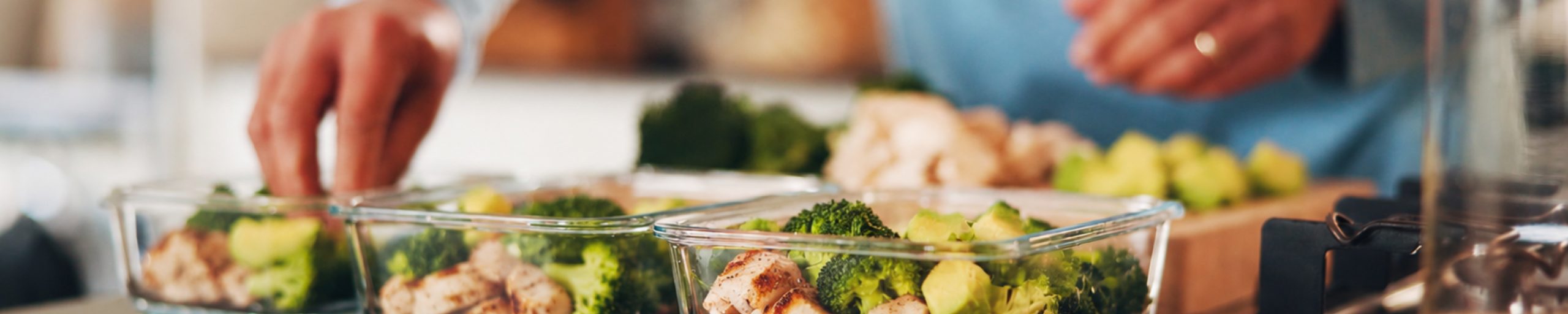
Having low-carb foods ready to eat can make it easier to stick with a ketogenic lifestyle and set you up for success.
Meal prep can be as simple or as structured as you want. Whether you prepare several complete meals at once or cook a few ingredients ahead of time, a little planning can save time and simplify what to eat.
Start With a Simple Plan
Before shopping, think about the meals you’ll be eating at home over the next several days. You don’t necessarily need to plan every breakfast, lunch, and dinner. Just deciding on a few main meals can give you a starting point for your grocery list.
Choose meals built around a protein source, such as meat, poultry, seafood, or eggs, plus non-starchy vegetables and healthy fats as needed.
Using some of the same ingredients in several meals can also simplify shopping and reduce food waste. For example:
- Eggs with spinach and cheese
- Chicken with broccoli and olive oil
- Salmon with spinach and butter
- Ground beef with zucchini, tomatoes, and cheese
- Chicken with zucchini and olive oil
- Ground beef with broccoli and butter
Use Recipes to Plan Your Meals
If you prefer following recipes, choose a few keto dishes you’d like to make during the week and add the ingredients to your shopping list. Our keto and low-carb recipes offer options for breakfasts, lunches, dinners, snacks, and desserts, while our customized meal planner can help you organize your recipe selections for the week.
You can prepare complete recipes ahead of time or simply use them to plan several meals up front.
Cook Protein in Larger Batches
Preparing several servings of protein at once can save time and energy later in the week.
For example, roast a whole chicken or several chicken thighs, brown ground beef, bake salmon, cook hard-boiled eggs, or prepare a batch of meatballs. Refrigerate what you’ll eat over the next few days and freeze additional portions for later.
These foods can form the basis of several different meals, so you don’t have to eat the same thing every day.
Prepare Vegetables Ahead of Time
Washing, chopping, or cooking low-carb vegetables means they’re ready to add to meals.
Roast a tray of broccoli, cauliflower, zucchini, or Brussels sprouts; wash and dry salad greens; or slice raw vegetables and store them in the refrigerator. Frozen vegetables are another convenient option and require little or no preparation.
Pair them with your prepared protein, add butter or oil as needed, and you’ll have a simple keto meal ready in minutes.
Make Extra When You Cook
Meal prep doesn’t have to take several hours. One of the easiest strategies is to prepare extra whenever you’re already making a meal.
If you’re cooking steak and vegetables for dinner, make enough for lunch the following day. When preparing soup, chili, a casserole, or another dish that stores well, double the recipe and freeze several portions.
Over time, this can give you a selection of ready-made keto meals without requiring a dedicated meal-prep day.
Store Prepared Foods Safely
Meal prep is only helpful if the food stays safe to eat. Refrigerate cooked foods promptly, and freeze anything you won’t eat within a few days.
Because safe refrigerator storage times vary by food, follow current food-safety recommendations rather than assuming everything you’ve prepared will remain safe for an entire week.
Labeling containers with the date helps you track what to eat or freeze first.
Keep a Few Keto Staples on Hand
Not everything needs to be prepared in advance. Keeping convenient keto-friendly foods in your fridge, freezer, and pantry helps you quickly assemble a meal.
Depending on your preferences, these might include:
- Eggs
- Canned salmon, sardines, or tuna
- Cheese
- Olives and olive oil
- Butter
- Avocados
- Nuts and seeds
- Salad greens
- Frozen meat, seafood, and non-starchy vegetables
- Herbs, spices, and low-carb condiments
Having several of these foods available can be especially useful on days when your original meal plan doesn’t work out.
A Flexible Approach to Keto Meal Prep
You don’t need elaborate recipes, special containers, or an entire refrigerator filled with preportioned meals to benefit from meal prep.
Start with whatever would make your week easier. That might mean preparing a few dinners on Sunday, cooking protein in bulk, chopping vegetables ahead of time, or simply making enough dinner to have leftovers for lunch.
The best meal-prep routine is one that fits your schedule and preferences and that you’ll actually continue using.