Conversations about metabolic health and ultra-processed foods tend to focus on solutions: labeling, marketing restrictions, taxes, or changes to dietary guidance, including the recently released 2025–2030 Dietary Guidelines for Americans.
These are important discussions, and they reflect a growing recognition that the food environment matters. But underneath all of them is a more basic question, one that rarely gets addressed directly.
What, exactly, counts as food under the law?
The Legal Definition of Food Is Surprisingly Simple
In the United States, the definition of food comes from the Federal Food, Drug, and Cosmetic Act, (21 U.S.C. § 321(f)), enacted in 1938. Under the statute, “food” is defined as:
“Articles used for food or drink for man or other animals, chewing gum, and articles used for components of any such article.”
That’s the entire definition.
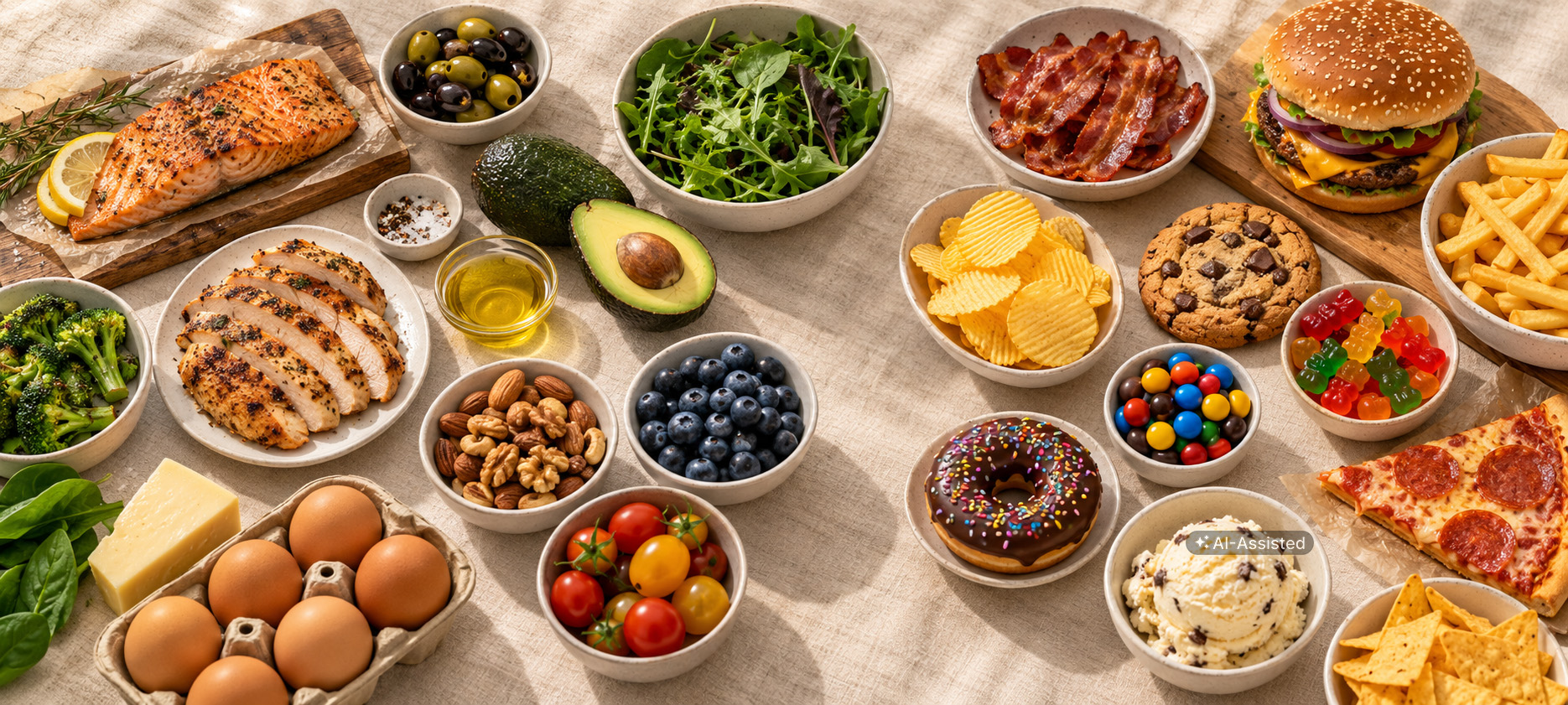
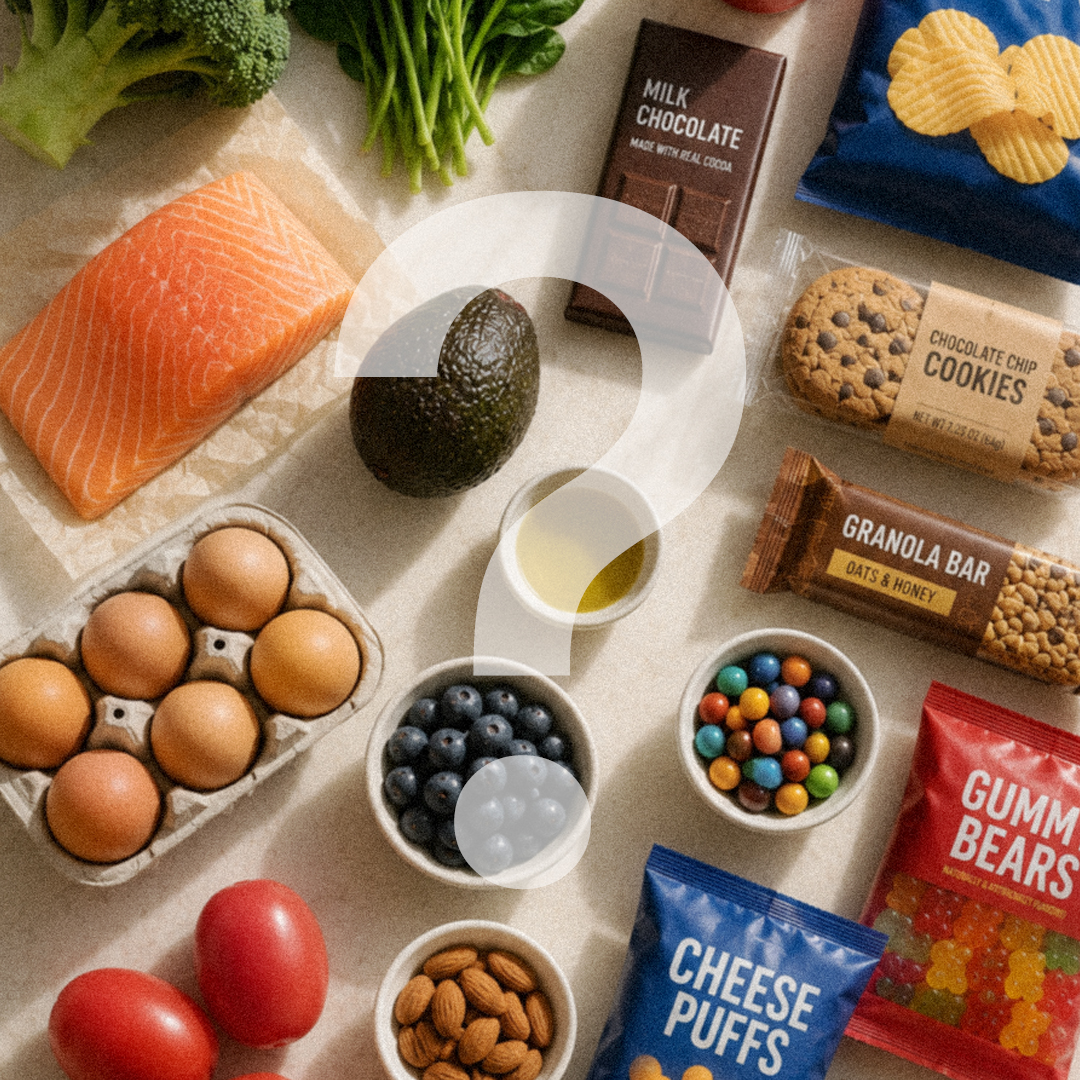
There’s no reference to nutrition, health, degree of processing, or long-term metabolic impact. Legally speaking, a can of soda, a candy bar, a potato chip, and a steak are all equally “food” as long as they’re intended to be eaten and meet basic safety standards.
This wasn’t a mistake. The law was written for a very different era, when the primary concerns about food were contamination, poisoning, and mislabeling. Its purpose was to prevent acute harm, not to distinguish nourishing foods from industrially engineered products. Ultra-processed foods, as we know them today, barely existed at the time.
Additionally, while a product may meet safety standards for occasional consumption, that doesn’t necessarily mean it is truly “safe” when consumed regularly over time. Although they legally qualify as food, products like chips and candy bars are classified as ultra-processed foods, which a 2025 review found now account for over half of daily caloric intake in many Western diets and are linked to higher risk of cardiovascular disease and cancer.
Europe and the EU follow a conceptually similar framework. Under EU General Food Law,(Regulation (EC) No 178/2002, Article 2), “food” is defined as:
“Any substance or product, whether processed, partially processed or unprocessed, intended to be, or reasonably expected to be, ingested by humans.”
Once again, the emphasis is on safety and regulatory scope, not nutritional quality or health impact. By this definition, ultra-processed products are again fully covered as “food.”
In both countries, food law was designed to address immediate safety concerns, while nutrition policy evolved separately. As a result, long-term diet-related conditions like obesity, diabetes, and cardiovascular disease were never built into the legal definition of food. That helps explain why debates about ultra-processed foods, marketing to children, labeling reform, and metabolic health feel so complex today. The legal structure simply wasn’t designed for the food environment we now live in.
Starting With “Real Food” Sets a Clear Direction
Attempts to regulate processed and ultra-processed foods directly tend to run into problems. Definitions quickly become contested. Edge cases take over. Industry pushes back. What starts as a policy discussion often turns adversarial.
There’s a more constructive place to begin.
Instead of leading with what food isn’t, the conversation can start by clearly defining what food is – specifically, what qualifies as real food.
For policy purposes, “real food” could be defined as foods that are whole or traditionally prepared from recognizable ingredients, with nourishment as their primary purpose rather than engineered for palatability, convenience, or shelf life. This approach aligns with Group 1 of the NOVA classification system, which includes edible parts of plants and animals that have undergone minimal preparation without added ingredients designed to enhance flavor, texture, or shelf life.
A positive definition establishes a reference point without turning the discussion into bans or moral judgments. It creates clarity first, rather than conflict.
In fact, this is already how parts of our food system function. Organic food is defined without eliminating conventionally grown food from the market. Whole milk is distinguished from milk products. Protected geographical designations – such as the EU’s PDO/DOP and PGI systems – safeguard names like Parmigiano Reggiano or specific regional wines without displacing other cheeses or wines.
Why Definition Matters More Than Debate
A clear definition of real food also changes how regulatory conversations unfold, and who bears the burden of explanation.
When policymakers are tasked with proving that a product is harmful or “too processed,” the discussion can quickly become defensive. By contrast, when a definition of real food exists, the question becomes whether a product can reasonably meet that standard.
Most industrial food products won’t meet the standard – not because they’re illegal or unsafe, but because they were never designed to function as nourishing foods in the first place. That distinction matters. It shifts the focus away from blame or intent and toward how foods are actually made, marketed, and consumed.
Over time, approaches like this tend to shape how foods are formulated, marketed, and understood by consumers, often well before any formal policy change takes place.
Preserving Important Distinctions
One risk in these conversations is oversimplifying the food supply.
If everything that isn’t “whole food” is labeled processed or ultra-processed, credibility erodes quickly. Sourdough bread, cheese, yogurt, olive oil, and cured meats don’t belong in the same category as candy bars and snack cakes.
A clearer structure recognizes three categories:
Whole foods: foods in their natural state, such as vegetables, fruit, eggs, fish, and unprocessed meat.
Minimally processed foods: foods altered using traditional methods like fermentation, grinding, pressing, or curing, yet still recognizable as food. Examples include plain full-fat yogurt, cheese, olive oil, sourdough or whole-grain bread, and cured meats.
Ultra-processed food products: items manufactured through multiple industrial steps and formulated for convenience, shelf life, and high palatability, such as sweetened breakfast cereals, chips, chicken nuggets, and frozen pizza.
Under this structure, both whole and minimally processed foods fall within the category of real food. Ultra-processed food products do not.
This isn’t a critique of processing itself. Humans have always cooked, fermented, cured, and preserved food. The key distinction is how far a product has been altered and whether its primary purpose is nourishment or engineered convenience.
Framed this way, the conversation becomes clearer. Whole and minimally processed foods are prioritized, while ultra-processed products are recognized as a separate category rather than grouped with traditionally prepared foods.
A Practical First Step
Revisiting foundational food law written in 1938 isn’t realistic in the near term. Redefining what legally qualifies as “food” would quickly become a political “hot potato,” given the competing industry interests, regulatory complexity, and lack of broad consensus. But many of the tools needed to prioritize real food already exist, and they don’t require rewriting the statute.
Across the food system, there are long-standing ways of distinguishing foods based on integrity, origin, and quality. Geographic indications, protected designations, and standards of identity help preserve what foods are – not by restricting everything else, but by clearly naming what meets a higher bar. Small farmers, artisan producers, and regional food systems have relied on these approaches for decades.
Applying that same logic to real food is less radical than it sounds. It builds on familiar regulatory practices rather than introducing an entirely new concept, and it allows differentiation without forcing the system into rigid categories.
That approach is easier to communicate, easier to defend, and more likely to hold up over time.
Why This Matters for Metabolic Health
If the goal is to improve metabolic health in a way that lasts – across administrations, cultures, and public opinion – the conversation has to move beyond nutrient targets and food fights.
Defining real food first doesn’t solve everything. But it provides a stable foundation for nutrition policy, clinical guidance, labeling reform, and food system incentives without collapsing into ideology.
Winning the peace in metabolic health isn’t about rewriting the law overnight. It’s about anchoring policy more clearly to what food is meant to do: nourish people, support health, and sustain life – not just meet the minimum standard of being edible.