
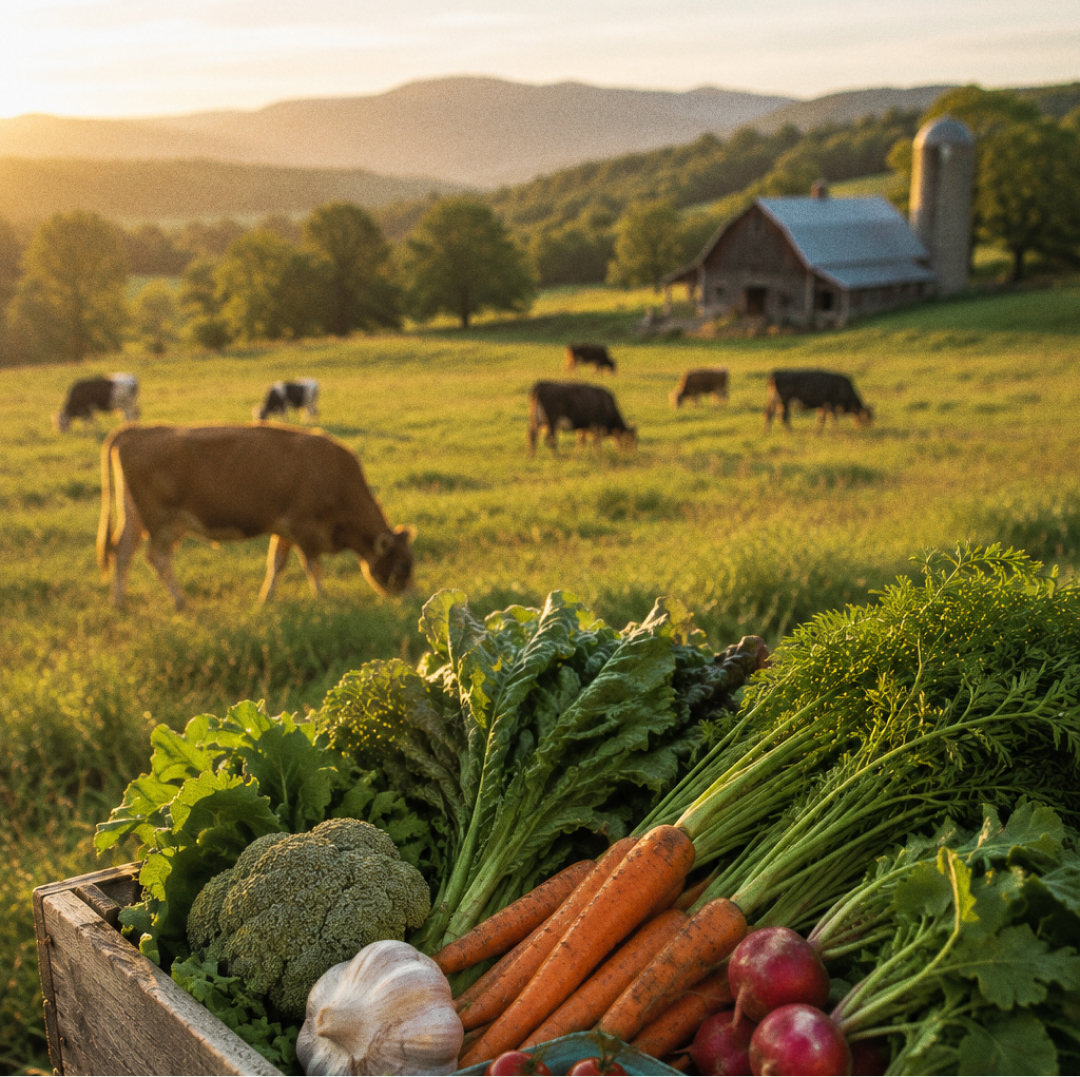
The 2025–2030 Dietary Guidelines for Americans (DGA) represent a major shift in national nutrition priorities. For the first time, they emphasize real food and call for a significant reduction in ultra-processed products made with refined carbohydrates, added sugars, and industrial oils. But while the Guidelines have evolved, the Farm Bill – the nation’s largest food and agriculture legislation – has yet to catch up. The 2018 Farm Bill remains in effect through temporary extensions, now lasting through September 30, 2026.
The Farm Bill plays a powerful role in shaping what’s grown, how it’s processed, and ultimately what ends up on our plates. With rising rates of diet-related disease and renewed focus on metabolic health, this is a critical moment to ask whether current agricultural subsidies are aligned with public health – and if not, how we might begin to change that.
The Disconnect Between What We Grow and What We Need
For decades, U.S. agricultural subsidies have mainly supported commodity crops such as corn, wheat, and soy – most of which are used to produce processed food ingredients, biofuels, and inexpensive animal feed. These policies have also contributed to the rise of concentrated, industrial-scale meat and dairy production, while nutrient-dense foods now emphasized in federal nutrition recommendations – including vegetables, fruits, nuts, and seeds – receive comparatively little support.
This imbalance has distorted food prices in ways that directly affect public health. Inputs for ultra-processed foods remain artificially inexpensive, while many whole foods remain costly and less accessible, particularly for lower-income communities. Bringing farm policy into closer alignment with current dietary guidance isn’t just a matter of consistency; it’s a key opportunity to improve metabolic health and reduce long-term healthcare costs.
Evidence shows that diets high in foods derived from subsidized crops are associated with increased cardiometabolic risk, including obesity, hypertension, elevated blood glucose levels, and unfavorable blood lipid profiles. Additional research suggests that these subsidies have helped make energy-dense, nutrient-poor foods cheaper and more abundant, contributing to rising rates of obesity and chronic disease across the population.
If the Dietary Guidelines are intended to serve as a blueprint for national nutrition, the Farm Bill is the tool that determines whether those recommendations are achievable in everyday life. Right now, the two are not working in tandem.
What Would a Health-Focused Farm Bill Look Like?
Bringing the Farm Bill into alignment with the Dietary Guidelines would require a rebalancing of incentives and priorities. As the nation’s official nutrition framework, the Guidelines can help steer public investment toward the foods and systems most likely to support population health. These steps could help move the system in that direction:
- Shift subsidies toward nutrient-dense, minimally processed foods. Redirect financial support toward the production of protein-rich foods (such as eggs, meat, and dairy), as well as vegetables and fruits. This would help lower prices and increase access to the foods most recommended by the Guidelines.
- Support smaller and mid-sized farms, including those using regenerative practices. These farms are more likely to grow a variety of crops or raise animals in ways that align with both nutritional and environmental goals. Regenerative methods such as cover cropping, rotational grazing, and reduced chemical use can improve soil health and biodiversity while potentially enhancing the nutrient density of food, contributing to long-term resilience and better health outcomes.
- Fund research and innovation for real food solutions. Public investment has long prioritized high-yield commodity crops. Redirecting research dollars toward sustainable methods of producing, storing, and distributing diverse, nutrient-dense foods – including investment in post-harvest technologies and local supply chains – could meaningfully improve food security and long-term health.
Does the DGA Have Enough Policy Influence?
The Dietary Guidelines are intended to inform federal food and nutrition programs – including school meals, the Supplemental Nutrition Assistance Program (SNAP), and the Special Supplemental Nutrition Program for Women, Infants, and Children (WIC) – but their influence on agricultural policy has historically been limited. Translating nutrition priorities into farm policy will take more than good intentions; it will require coordinated action between agencies and broader recognition that diet plays a central role in long-term health.
If the U.S. is serious about improving public health and reducing the long-term costs of chronic disease, then nutrition and agriculture policy must be treated as part of the same system, not as separate silos.
A Healthier Food System Is Possible
Fixing the food system will take more than guidelines or grants. It will require realigning the economic incentives that shape every link in the food chain. That starts with the Farm Bill.
By using the Dietary Guidelines as a roadmap, policymakers have an opportunity to create a food and agriculture system that prioritizes nourishment, sustainability, and long-term well-being – not just yield and profit. The next version of the Farm Bill could be a turning point if we choose to make it one.