Cancer
Ketogenic diet as a metabolic vehicle enhancing the therapeutic efficacy of mebendazole and devimistat in juvenile syngeneic high-grade glioma
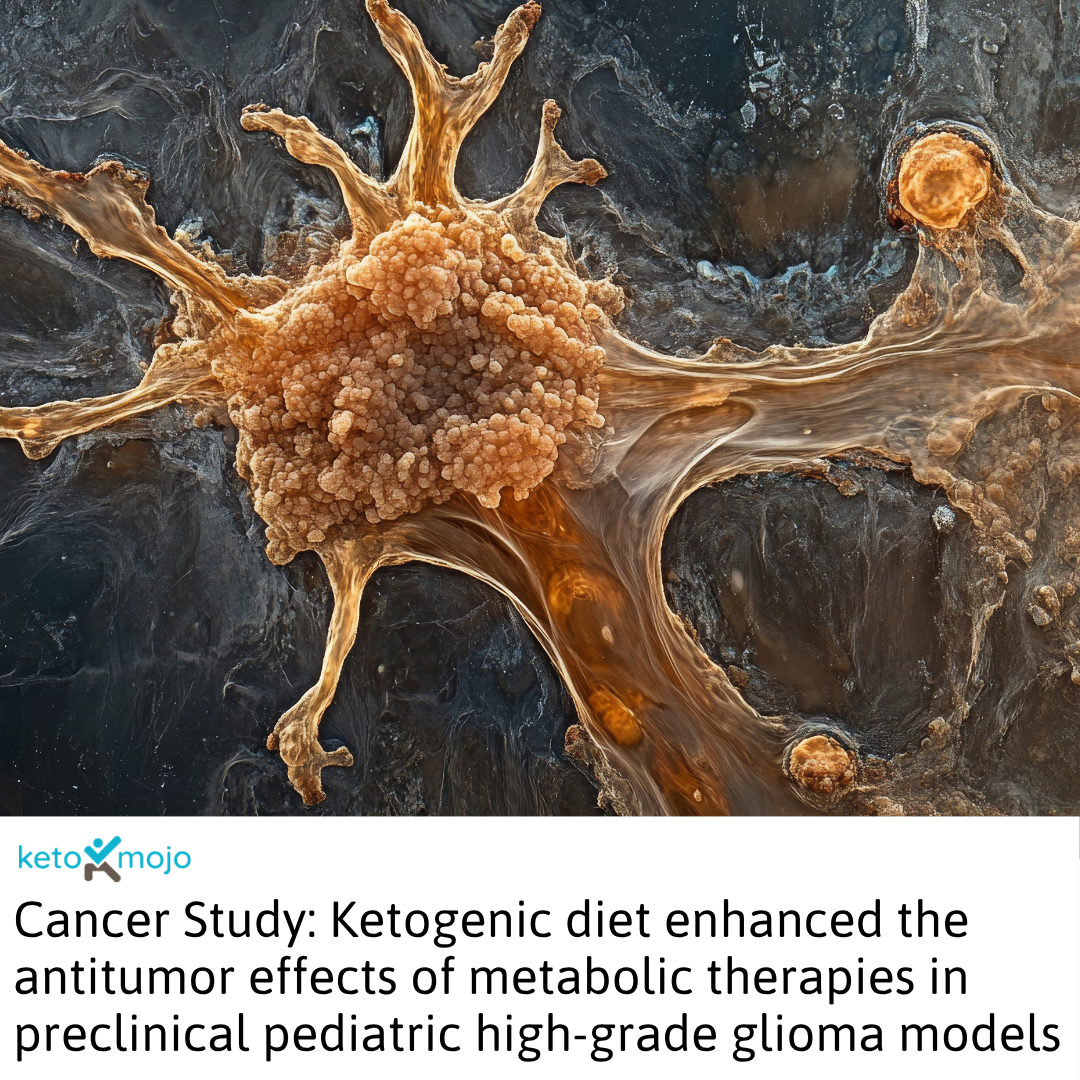
Pediatric high-grade gliomas (HGGs) are aggressive brain tumors with poor outcomes and substantial treatment-related toxicity. Because glioma cells rely heavily on glucose and glutamine metabolism, researchers investigated whether a ketogenic diet (KD) could enhance the effects of two metabolic drugs: mebendazole (MBZ), an antiparasitic drug with anticancer activity, and devimistat (CPI-613), a mitochondrial metabolism inhibitor. This preclinical study used juvenile syngeneic mouse models of high-grade glioma, including the highly invasive VM-M3 model and the non-invasive CT-2A model, as well as the human pediatric glioma cell line SF-188.
Juvenile mice were implanted with glioma cells and fed either a standard diet or an ad libitum ketogenic diet designed to maintain body weight while inducing nutritional ketosis. MBZ was administered with the ketogenic diet three consecutive days per week, while devimistat was administered by injection once or twice weekly. Tumor progression was assessed by bioluminescence imaging, and survival, histology, drug delivery, and metabolic pathway effects were also evaluated.
Key Findings
- Ketogenic diet effects: KD reduced blood glucose, increased β-hydroxybutyrate (BHB) levels, lowered the glucose ketone index (GKI), and reduced tumor invasion compared with a standard diet.
- MBZ + KD: Combining mebendazole (MBZ) with KD reduced tumor growth and invasion while prolonging survival compared with KD alone.
- Devimistat + KD: Devimistat reduced tumor growth in vitro but demonstrated in vivo efficacy only when combined with KD, with the combination producing the lowest tumor burden.
- Survival: Both MBZ + KD and devimistat + KD significantly prolonged survival in the CT-2A glioma model.
- Mechanisms: MBZ reduced markers of glucose and glutamine metabolism, while both MBZ and devimistat inhibited proliferation of human pediatric glioma cells.
- Safety: KD helped maintain body weight, and no evidence of obvious MBZ-related liver toxicity was observed.
Conclusion
This preclinical study suggests that ketogenic metabolic therapy may enhance the therapeutic effects of MBZ and devimistat in juvenile glioma models by targeting glucose and glutamine metabolism, reducing tumor invasion, and improving survival. However, the findings are limited to cell and animal models and may not apply to all pediatric HGG subtypes. Further mechanistic studies and validation in additional models are needed before clinical translation.
 Source: Cell Reports Medicine