General Health
Ketogenic Diet and Hyperandrogenism in Women with Polycystic Ovary Syndrome: A Meta-Analysis
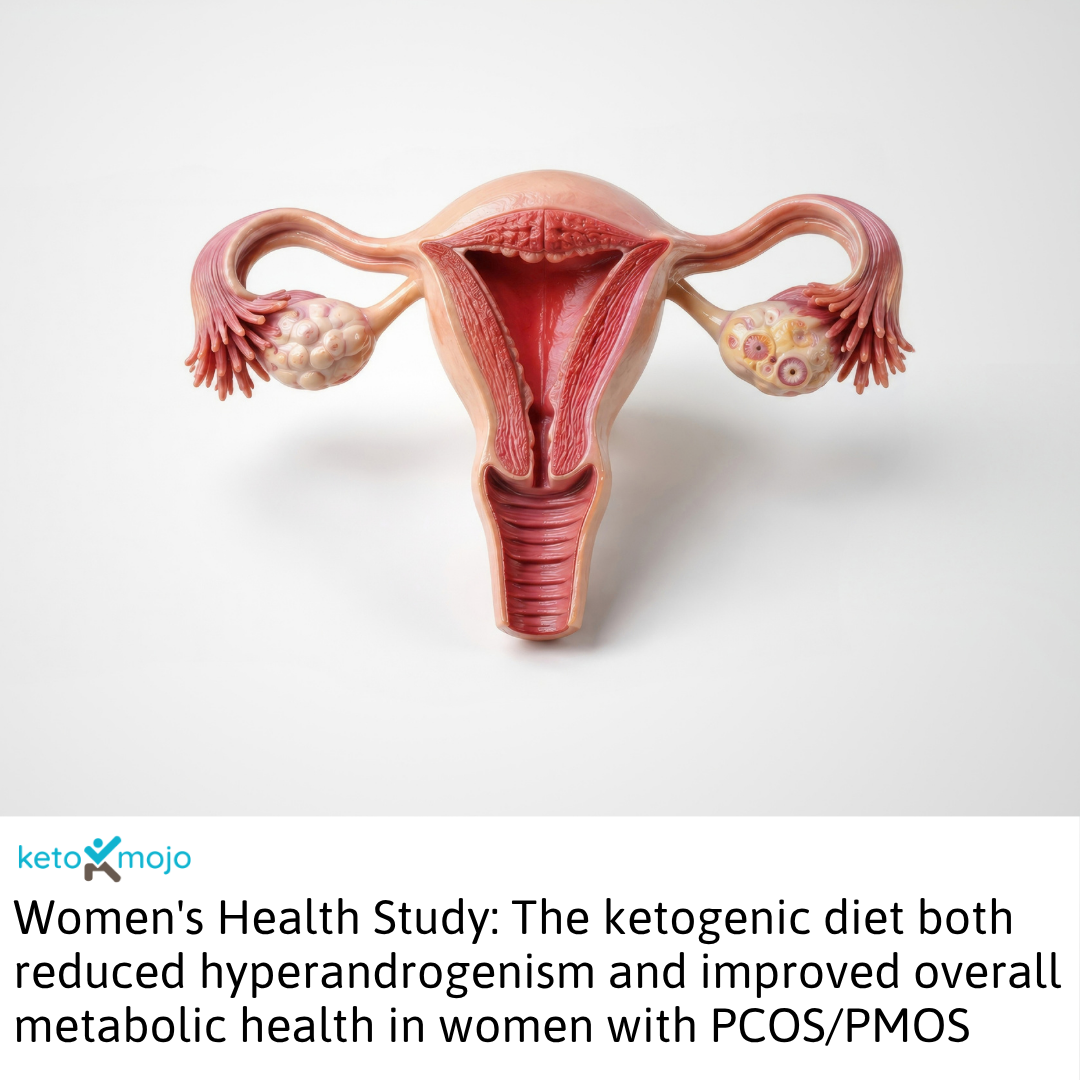
Polyendocrine metabolic ovarian syndrome (PMOS; formerly polycystic ovary syndrome [PCOS]) is commonly associated with hyperandrogenism, obesity, and insulin resistance. Researchers conducted a systematic review and meta-analysis to determine whether ketogenic diets improve hormonal, metabolic, and reproductive outcomes in women with PMOS and overweight or obesity.
The authors searched five major databases through March 1, 2025, and included 11 studies (4 randomized controlled trials and 7 pre-post intervention studies) involving adult women with PMOS and BMI ≥25 kg/m². The interventions included very-low-calorie ketogenic diets (VLCKDs), low-calorie ketogenic diets (LCKDs), and modified ketogenic protocols.
Dietary interventions generally restricted carbohydrate intake to ≤50 g/day, with intervention durations ranging from approximately 6 weeks to 24 weeks. Outcomes included reproductive hormones, markers of hyperandrogenism, anthropometric measures, and metabolic parameters.
Results / Key Findings
Hyperandrogenism markers:
- Total testosterone (TT) decreased significantly across studies (n=290; mean difference [MD] -0.35).
- Sex hormone-binding globulin (SHBG) increased significantly (n=144; MD +19.50).
- Free testosterone (FT) showed a nonsignificant reduction overall.
Hormonal outcomes:
- Luteinizing hormone (LH) decreased significantly (n=275; MD -3.48).
- The LH/FSH ratio decreased significantly (n=275; MD -0.99).
- Follicle-stimulating hormone (FSH) showed a nonsignificant increase.
Randomized controlled trial findings:
-
Across four RCTs, ketogenic diets produced significantly greater reductions in total testosterone than comparison interventions, including Mediterranean diets and pharmacologic treatment (SMD -0.284; p=0.031).
Body composition and metabolic outcomes:
- BMI, waist circumference, waist-to-hip ratio, and fat mass all decreased significantly.
- Fasting glucose, fasting insulin, and HOMA-IR improved significantly.
- Total cholesterol and triglycerides decreased significantly.
- HDL cholesterol increased modestly, while LDL cholesterol did not change significantly.
Reproductive outcomes (qualitative findings):
- Multiple studies reported improvements in menstrual regularity, ovulation, and fertility-related outcomes.
- Some participants resumed menstruation after prolonged amenorrhea, and several studies reported improved ovulation rates and spontaneous pregnancies.
Notably, meta-regression analyses found that reductions in total testosterone were not significantly explained by changes in BMI, fasting insulin, intervention duration, or LH/FSH ratio. This suggests that ketosis may exert effects on ovarian function beyond those attributable to weight loss or improvements in insulin sensitivity alone.
Conclusion
This meta-analysis suggests that ketogenic diets may reduce hyperandrogenism and improve metabolic health in women with PCOS/PMOS and overweight or obesity. The findings also raise the possibility that ketosis may influence ovarian function beyond the effects of weight loss alone. However, because the evidence is heterogeneous and largely derived from small studies, larger randomized controlled trials are needed to confirm these effects and clarify the underlying mechanisms.
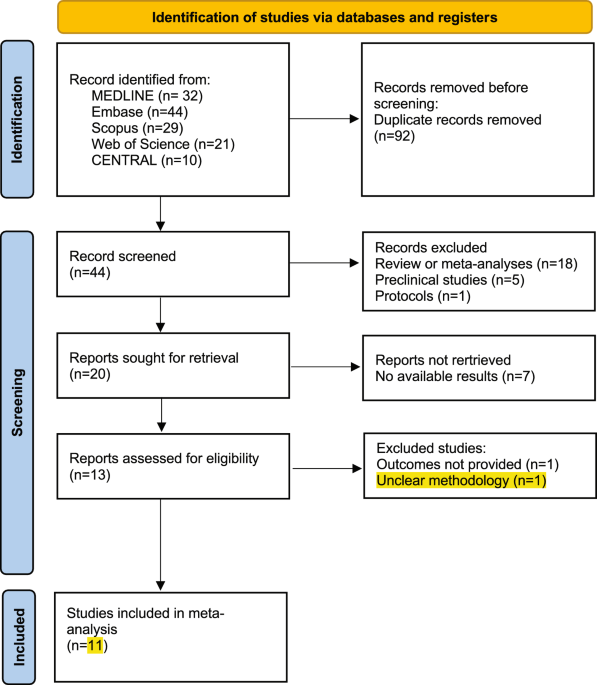
 Source: Journal of Endocrinological Investigation