Metabolic Syndrome
Breaking the metabolic-inflammatory vicious cycle in polycystic ovary syndrome: a comparative review of ketogenic and high-fat diets
Introduction
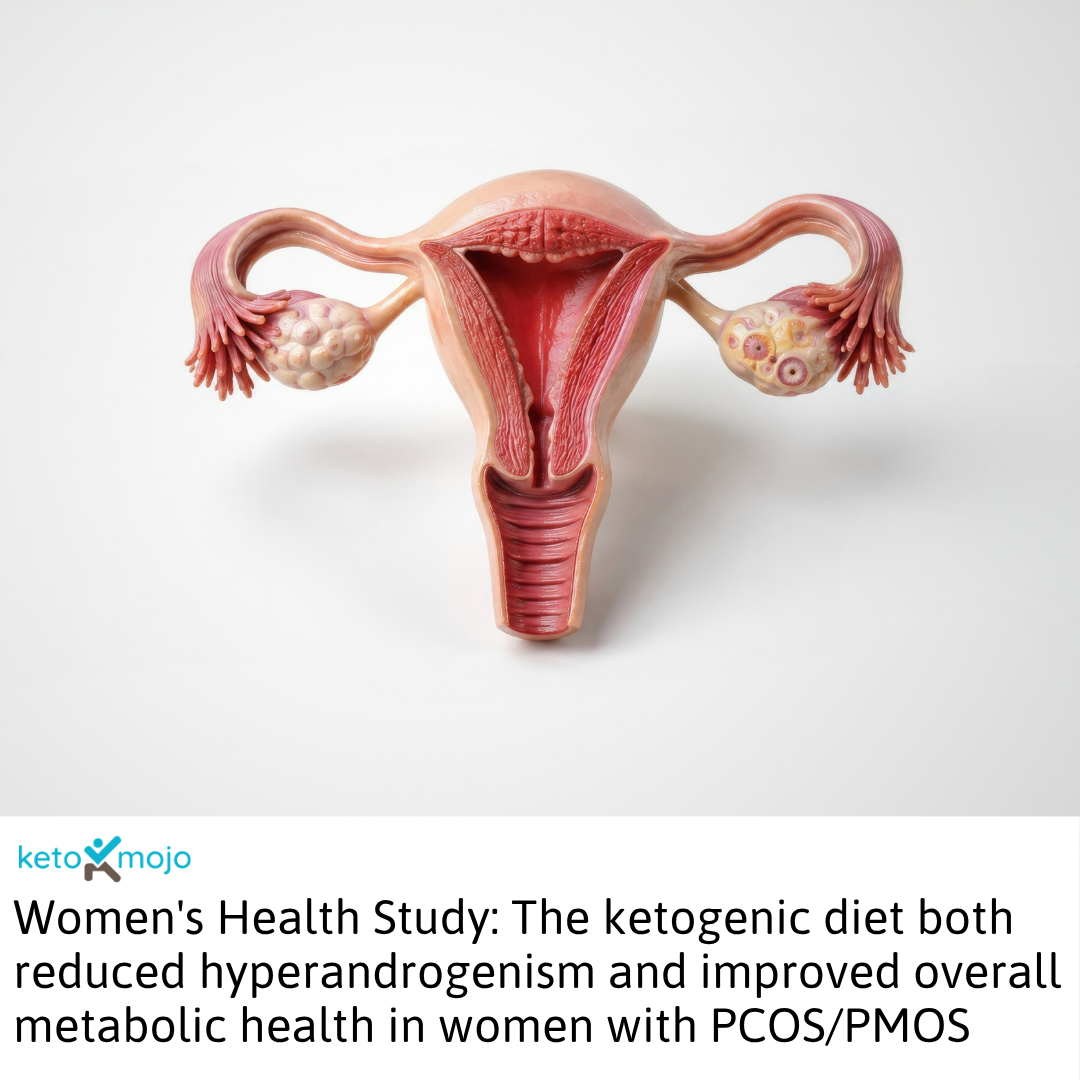
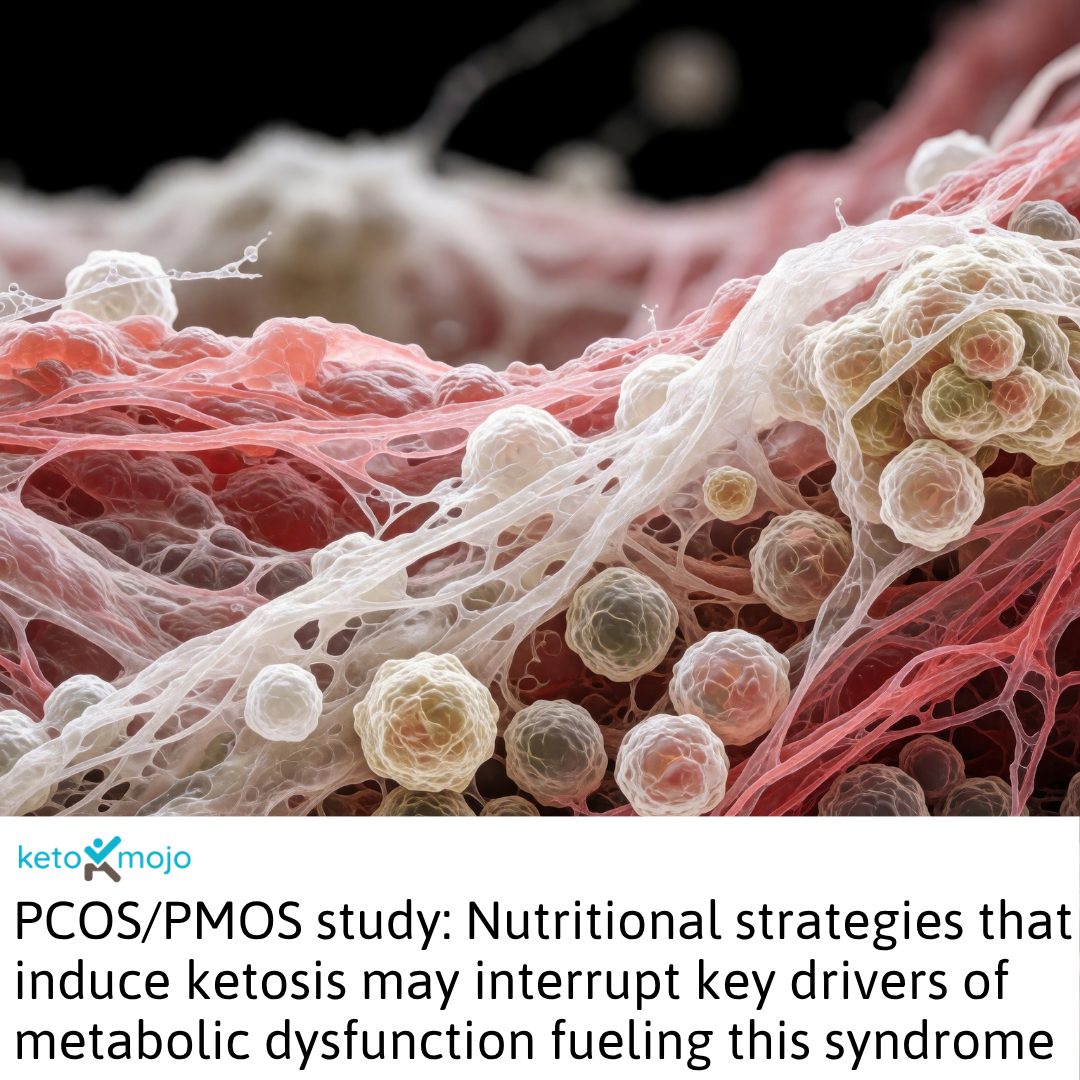
Polycystic ovary syndrome (PCOS) is a common endocrine-metabolic disorder in reproductive-age women, driven by a cycle of insulin resistance, inflammation, and disrupted lipid metabolism. Conventional treatments often target symptoms in isolation and have limited long-term efficacy. Nutritional interventions are increasingly recognized for their systemic effects, yet the distinction between ketogenic diets (KD) and high-fat diets (HFDs) remains poorly defined in PCOS care. This review explores how the KD may uniquely interrupt the metabolic–inflammatory loop central to PCOS pathophysiology.
Methods
The authors conducted a comparative review of molecular, clinical, and preclinical studies on the roles of lipid metabolism and inflammation in PCOS. They evaluated how the KD (characterized by very low carbohydrate and high fat intake) differs mechanistically from standard HFDs, focusing on ketone-mediated signaling, immune modulation, and metabolic outcomes.
Key Findings
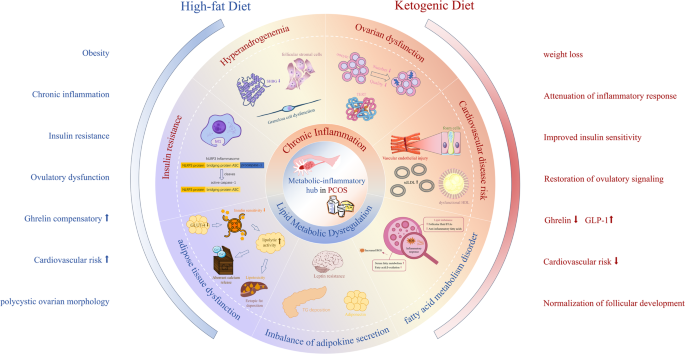
Women with PCOS commonly exhibit excess free fatty acids, adipose dysfunction, and heightened NLRP3 inflammasome activity. High-fat diets aggravate these abnormalities, driving insulin resistance, oxidative stress, and androgen overproduction.
In contrast, the KD appears to:
- Enhance fat metabolism via increased mitochondrial β-oxidation and upregulation of PPAR-α and SIRT1.
- Suppress inflammation, with β-hydroxybutyrate (β-HB) directly inhibiting NLRP3 activation and reducing IL-6 and TNF-α.
- Improve endocrine function by lowering insulin and androgen levels, increasing SHBG, and supporting ovulation.
- Modulate the gut microbiota, enriching Akkermansia muciniphila and improving intestinal barrier integrity.
Unlike calorie-matched HFDs, the KD reduces triglycerides, improves insulin sensitivity, and mitigates systemic inflammation—all critical in breaking the metabolic-inflammatory cycle of PCOS.
Conclusion
The ketogenic diet offers a multidimensional approach to PCOS management by targeting metabolic and inflammatory dysfunction simultaneously. Its effects extend beyond macronutrient content to include ketone-driven immune and endocrine modulation. However, long-term safety, adherence, and individual variability require further investigation. Clinically, the KD may serve as a strategic adjunct to current therapies, particularly in metabolically complex PCOS cases, but should be applied with personalized monitoring.
 Source: Lipids in Health and Disease