Cardiovascular Disease, Metabolic Syndrome, Psychiatric Disorders
Case Series: Effects of a Ketogenic Diet on Cardiometabolic Health in Seven Outpatients with Bipolar Disorder
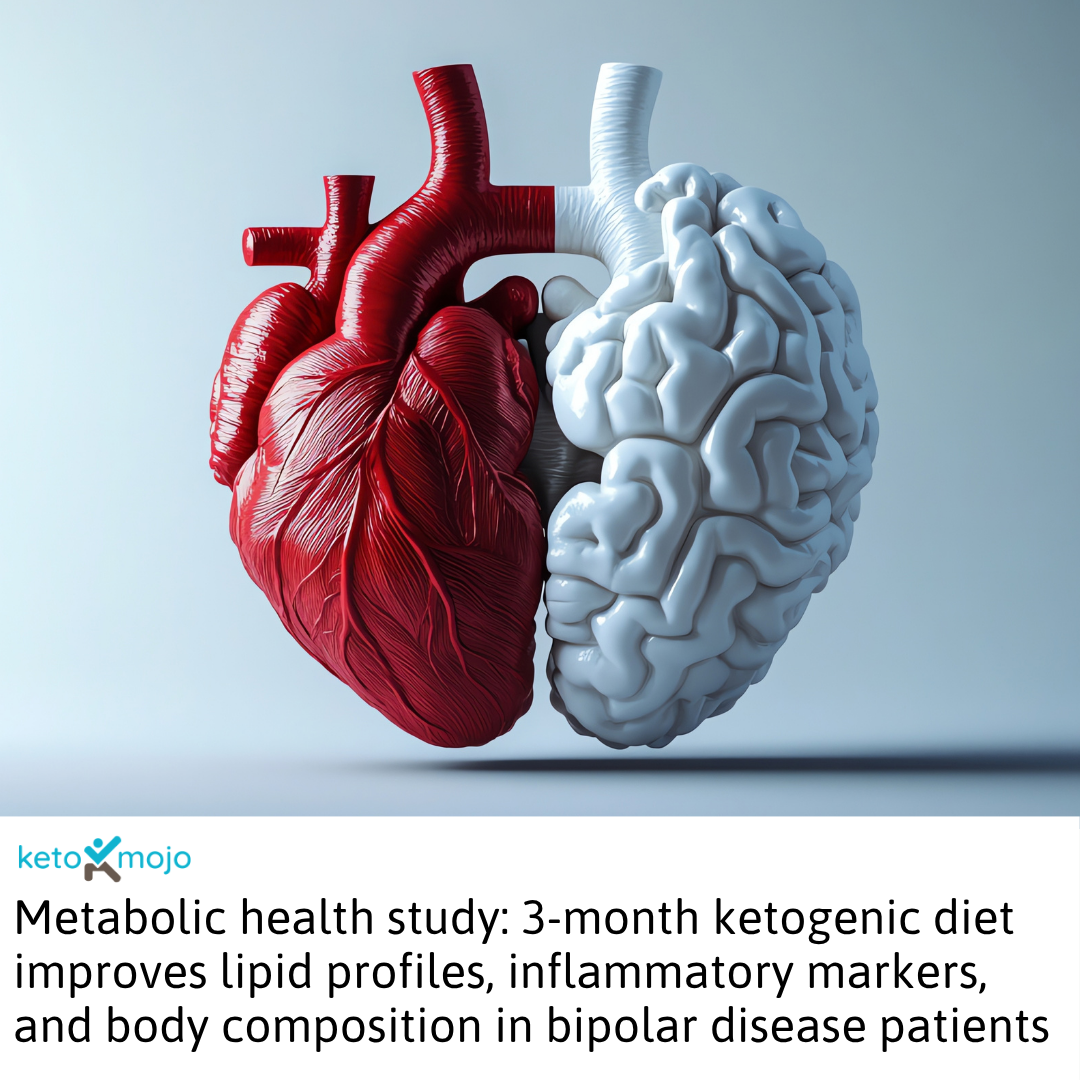
This retrospective case series evaluated the effects of a three-month ketogenic metabolic therapy (KMT) intervention on cardiometabolic health markers in seven outpatients with bipolar disorder and comorbid dyslipidemia.
Patients with bipolar disorder are known to have elevated rates of cardiometabolic conditions including obesity, insulin resistance, dyslipidemia, and type 2 diabetes. These comorbidities contribute to excess cardiovascular mortality in this population. The study aimed to explore how a ketogenic approach might address these metabolic risks.
Participants followed an individualized ketogenic diet (1.5:1 to 2:1 fat-to-protein plus carbohydrate ratio) supervised by a multidisciplinary clinical team. Psychiatric medications were kept constant, while the nutritional intervention was accompanied by micronutrient support and weekly group sessions.
Cardiometabolic outcomes were tracked using a wide range of biomarkers including lipids, inflammation, oxidative stress, endothelial function, and body composition.
Mean Group Changes After 12 Weeks:
Lipid Metabolism
- ↓ Triglycerides: −40.6 mg/dL (−30%)
- ↓ Lipoprotein (a): −6.6 mg/dL (−21%)
- ↓ ApoB: −0.14 g/L (−10%)
- ↑ HDL-C: +3 mg/dL (+5%)
- ↑ LDL-C: +14 mg/dL (+9%)
- ↑ Total cholesterol: +7 mg/dL (+3%)
Inflammatory Markers
- ↓ hsCRP: −0.94 mg/L (−45%)
- ↓ TNF-α: −1.31 pg/mL (−7%)
Oxidative Stress
- ↓ MDA-LDL: −36.8 U/L (−38%)
- ↓ Nitrotyrosine: −225 nmol/L (−28%)
Anthropometrics
- ↓ Body weight: −8.8 lbs/4.0 kg (−4.6%)
- ↓ Visceral fat: −0.69% (−10%)
- ↓ Fat mass: −8 lbs/3.7 kg (−12%)
Adverse Changes
- ↑ Homocysteine: +1.94 µmol/L (+18%)
- ↑ AGE (Advanced Glycation End Products): +30.9 µg/mL (+106%)
The study found a notable mismatch between LDL-C and apoB levels: LDL-C increased in most cases, while apoB – considered a better indicator of atherogenic risk – remained stable or decreased, suggesting a shift toward less harmful LDL particle types. The intervention improved lipids, inflammation, and body composition, but rises in homocysteine and AGE suggest potential risks (possibly due to micronutrient gaps or high-heat cooking of animal proteins). The authors conclude that ketogenic metabolic therapy may improve cardiometabolic health in bipolar disorder, but emphasize the need for individualized monitoring, especially of micronutrient status and lipid responses.
 Source: Frontiers in Nutrition