
For more than three decades, the Nutrition Facts label has helped Americans make informed decisions about what they eat. But the food landscape has changed, and so have our most pressing health concerns. With the 2025–2030 Dietary Guidelines now prioritizing whole foods, protein intake, and the option of low-carbohydrate diets for those with chronic conditions, it’s time to reconsider whether our food labeling system is keeping up.
Today, most Americans are navigating a vastly different nutritional environment than the one that shaped the original label. The shift toward ultra-processed, carbohydrate-rich products has contributed to widespread metabolic dysfunction, as evidenced by multiple studies. In fact, recent estimates suggest that less than 7% of U.S. adults are metabolically healthy, with the majority showing at least one risk factor such as elevated blood glucose, high blood pressure, excess body fat, or abnormal lipid levels.
A Labeling System Designed for a Different Era
The Nutrition Facts label was first introduced in 1994, at a time when dietary fat was widely viewed as the primary nutritional concern. As a result, total fat, saturated fat, and cholesterol were given prominent placement, while carbohydrate and sugar content received comparatively less emphasis.
Although updates have been made – including the addition of “added sugars” in 2016 – the label’s structure still reflects outdated priorities. Total and saturated fat remain visually dominant, and trans fats continue to be listed, despite being effectively banned in 2015, with a full phase-out completed in 2021.
Equally important, the label still doesn’t differentiate between refined starches and fiber-rich whole foods. All carbohydrates are grouped together, which means products with a high glycemic impact can appear nutritionally similar to those with less impact on blood sugar.
In an age when type 2 diabetes, obesity, and fatty liver disease are affecting more people – and at younger ages – this represents a missed opportunity to help consumers make more informed, health-focused food choices.
What If Labels Reflected Metabolic Impact?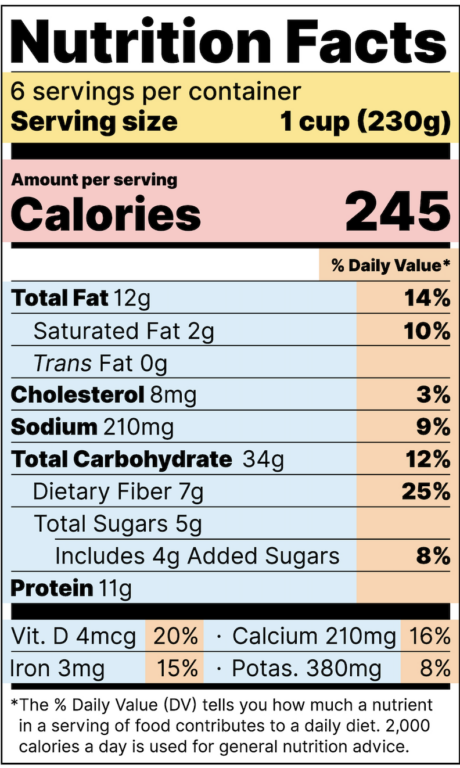
If nutrition labels were redesigned with metabolic health in mind, several key changes could better reflect how food affects the body:
- Make carbohydrates and sugars more visually prominent. In many countries, total carbohydrates and sugars are listed above protein on the food label to reflect their relevance for blood glucose and metabolic health. A similar format in the U.S. could help consumers better evaluate carbohydrate quality and quantity at a glance.
- Improve context for total and added sugars. A food’s glycemic load or carbohydrate-to-fiber ratio may offer more useful insight than grams of sugar alone, especially when comparing refined products to minimally processed whole foods.
- Distinguish between types of fiber and their impact on metabolism. Naturally occurring fiber in whole plant foods – such as vegetables, nuts, and seeds – isn’t digested or absorbed like sugars and starches, and subtracting it from total carbohydrates can give a clearer picture of a food’s effect on blood glucose. However, the body may not respond the same way to added, highly processed fibers. These isolated fibers are often included in processed products to boost fiber content, but they may not deliver the same metabolic or digestive benefits as fiber from intact, minimally processed foods. Identifying the source and type of fiber could help people better assess whether a food supports their health goals.
- Align front-of-package guidance with metabolic outcomes. Instead of vague claims like “made with whole grains,” labeling could emphasize satiety, nutrient density, or a favorable protein-to-net carb ratio – factors that support blood sugar stability and appetite regulation. Additionally, front-of-package labels could include prominent warnings such as “high in sugar” or “high in refined carbohydrates,” following the model used in several Latin American countries, including Mexico, Chile, Bolivia, Peru, and Paraguay (See Front of Pack Nutrition Labelling in Latin America and the Caribbean, Table 1, Page 8).
By designing labels that reflect key factors influencing metabolic health, individuals could be better equipped to make food choices that are both nourishing and sustainable. However, changes like these would require the FDA to revisit current labeling regulations – a shift that may only happen with scientific consensus, strong public demand, and sustained advocacy.
From New Dietary Guidelines to Real-World Change
Better nutrition labels won’t fix metabolic health on their own, but they’re a practical and important place to start. A labeling system that reflects what we now understand about macronutrients and the benefits of minimally processed, whole foods could help individuals make more informed choices and give clinicians a stronger foundation for guidance and support.