Diabetes, General Health, Metabolic Syndrome, Musculoskeletal, Obesity
Arthritis and Insulin Resistance Study: Higher TyG index values are linked to increased arthritis risk in younger adults without obesity or diabetes

🔬 Triglyceride-Glucose (TyG) Index and Arthritis Risk 🦴
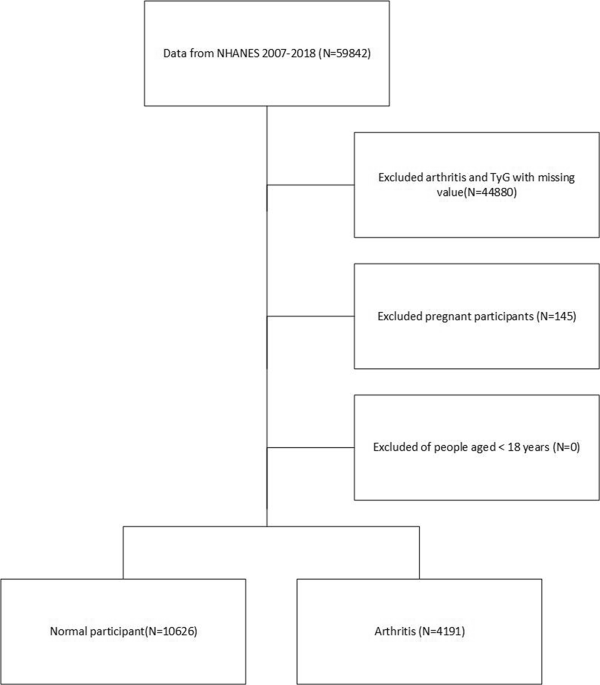
A recent study by Yan et al. (2023) investigates the relationship between the TyG index, a biomarker for insulin resistance, and arthritis using data from the National Health and Nutrition Examination Survey (NHANES) from 2007 to 2018.
Key Findings:
- Out of 14,817 participants, 28.29% were diagnosed with arthritis.
- A significant positive correlation was found between higher TyG index values and increased arthritis risk.
- The correlation was stronger when combined with other risk factors such as age, BMI, and diabetes.
- The TyG index was positively correlated with arthritis in adults under 60 who had normal weight and no diabetes.
Conclusion: The TyG index may serve as a valuable marker for assessing arthritis risk, particularly in younger adults without obesity or diabetes. Further research is needed to fully understand this relationship.
 Source: BMC