Cancer
Postoperative recurrence of pancreatic cancer controlled for 9 months solely by severe carbohydrate restriction: ketogenic diet
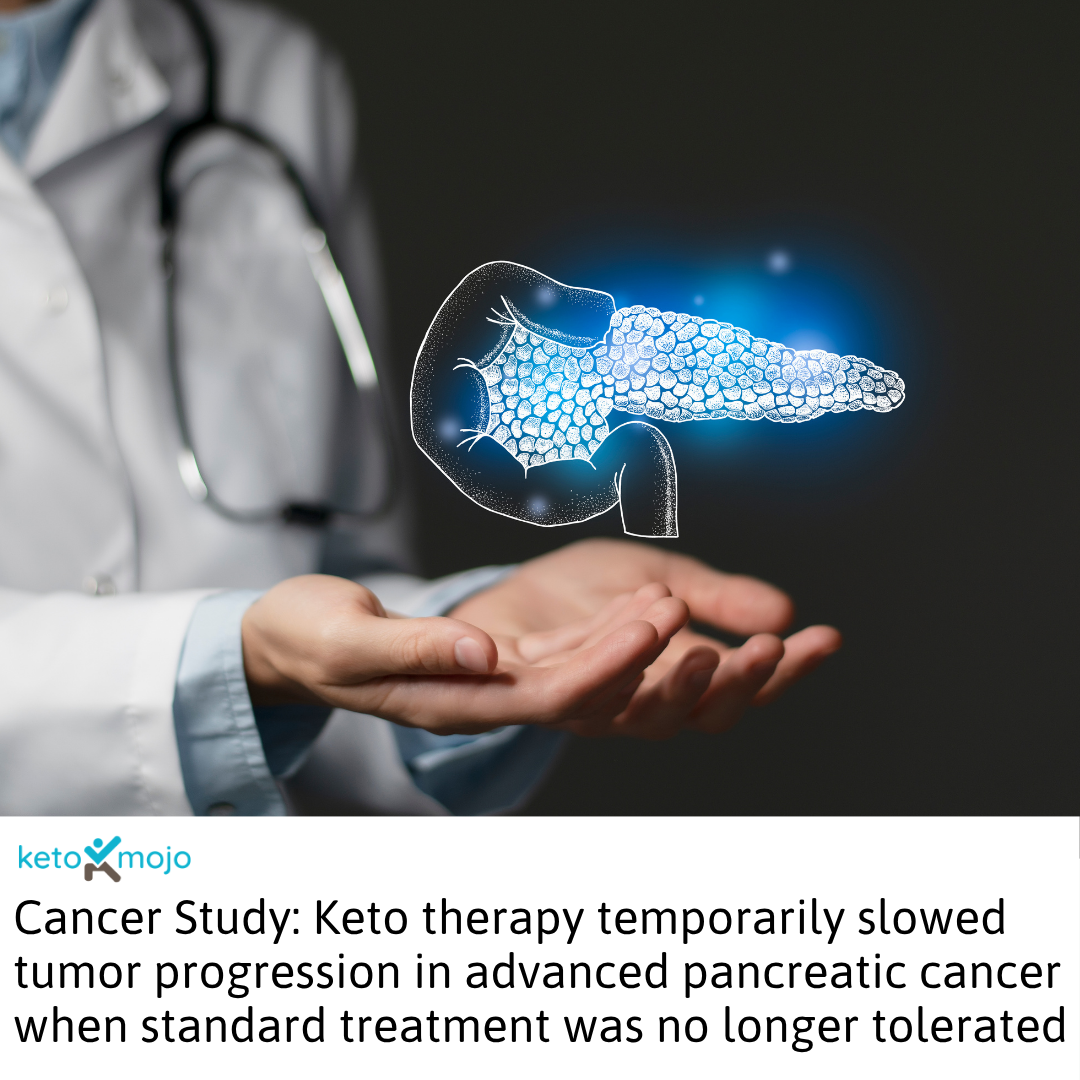
This case report documents the experience of a 60-year-old female patient with pancreatic ductal adenocarcinoma (PDAC), whose metastatic recurrence was stabilized for nine months through a ketogenic diet after declining further chemotherapy due to adverse effects. PDAC has a high recurrence rate and poor prognosis, with survival averaging less than one year even after systemic treatment.
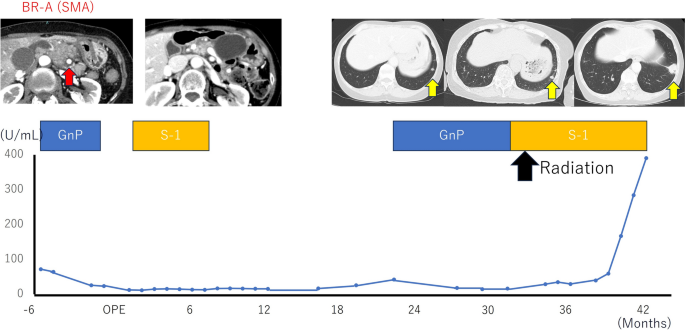
The patient first received chemotherapy with gemcitabine and nab-paclitaxel, then underwent surgery. She completed six months of follow-up chemotherapy with S-1. At 22 months post-surgery, lung metastases appeared. Another year of gemcitabine plus nab-paclitaxel led to a partial response, followed by radiotherapy and six more months of S-1. Ten months later, the cancer progressed again. Due to prior side effects that included fatigue, neuropathy, and hair loss, she declined more chemotherapy and chose to start a ketogenic diet as her only treatment.
The diet included fewer than 50 grams of total carbohydrates per day, with most calories coming from fat, including medium-chain triglycerides. A dietitian reviewed meals daily for the first three months to ensure strict adherence, along with daily urine ketone monitoring.
Key Findings:
- Tumor progression was suppressed for 9 months on the ketogenic diet alone; lung metastases remained stable (23–24 mm).
- CA19-9 tumor marker levels remained stable (738–783 U/mL) during this period.
- Body composition analysis showed that unintended weight loss was primarily from fat mass, with preserved muscle mass.
- The patient tolerated the diet well, without hunger, hair loss, or other side effects.
- At 12 months, disease progressed (CA19-9 increased to 2142 U/mL); gemcitabine was reintroduced alongside the ketogenic diet.
- Survival was extended, with the patient living 24 months after starting the ketogenic diet.
- Tumor tissue showed high GLUT-1 expression, indicating reliance on glucose metabolism, which may explain responsiveness to carbohydrate restriction.
This case suggests that a ketogenic diet may help temporarily slow tumor progression in advanced pancreatic cancer, particularly in patients whose tumors depend heavily on glucose metabolism. It may offer a supportive option for individuals who cannot tolerate chemotherapy due to side effects. However, while the outcome is encouraging, more research is needed to understand its effectiveness, ideal implementation, and long-term impact.
 Source: Clinical Journal of Gastroenterology